Guest post by William Gearty (Ph.D. Student at Stanford University) It’s summertime and you’re sweating from the heat and humidity. You jump in the pool…
View More So, You Want to Live in the Water? A Tale of Why Aquatic Mammals are So Big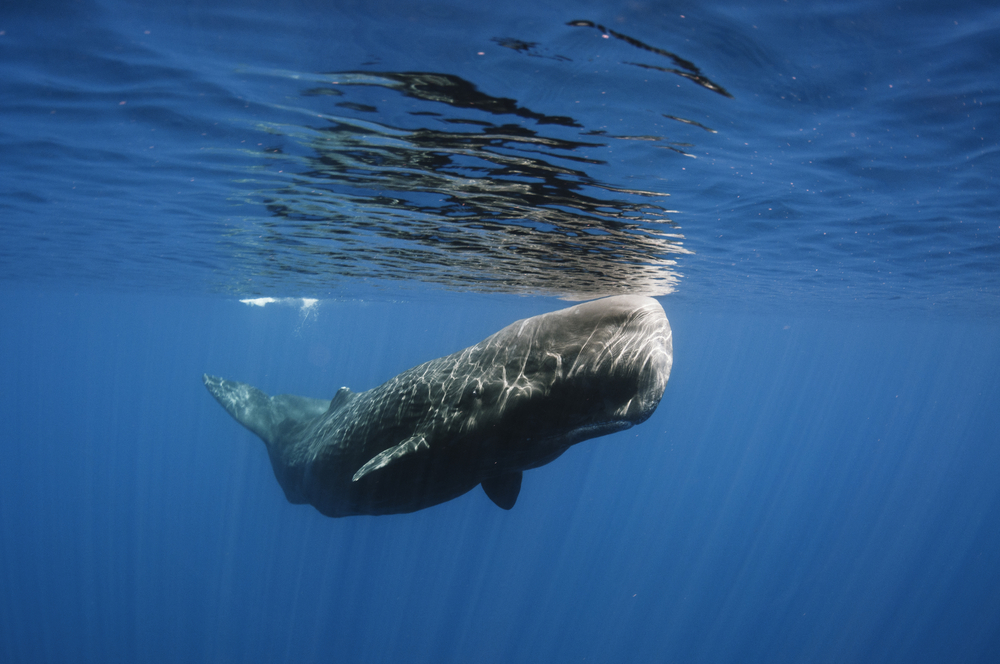

Guest post by William Gearty (Ph.D. Student at Stanford University) It’s summertime and you’re sweating from the heat and humidity. You jump in the pool…
View More So, You Want to Live in the Water? A Tale of Why Aquatic Mammals are So Big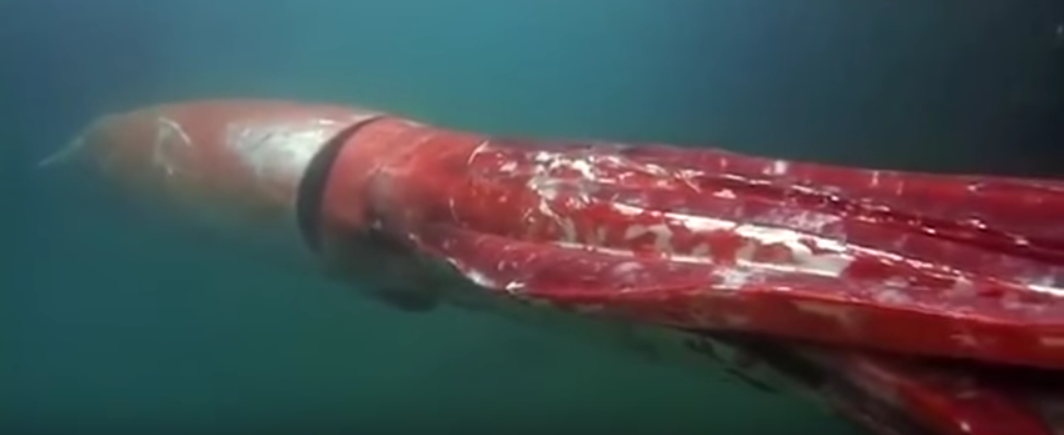
Video of a very large squid swimming near a dock made the rounds last week across many social media streams. The squid is actually an Architeuthis, aka the…
View More New Video of Giant Squid Surfaces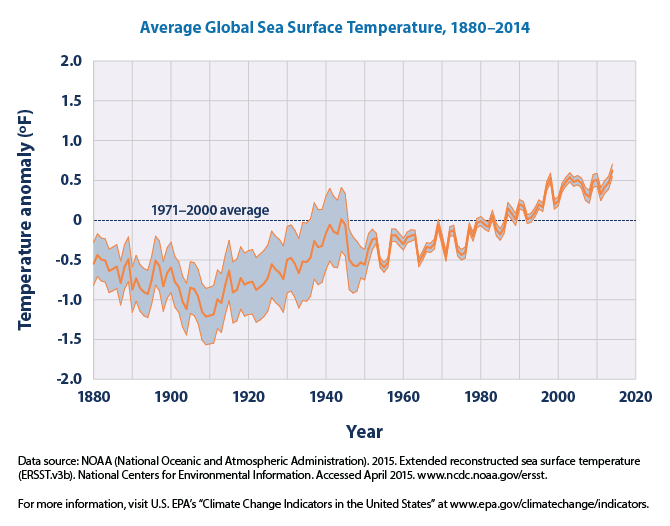
Recently, on Twitter and Facebook I noticed graphs of climate change and its impacts being posted. These were often unaccompanied with data sources or links. A…
View More A Story of Climate Change Told In 15 Graphs
This is not the ocean: This is not the ocean: Indeed, even THIS is not the ocean: Before you start thinking that the folks at…
View More We don't know the ocean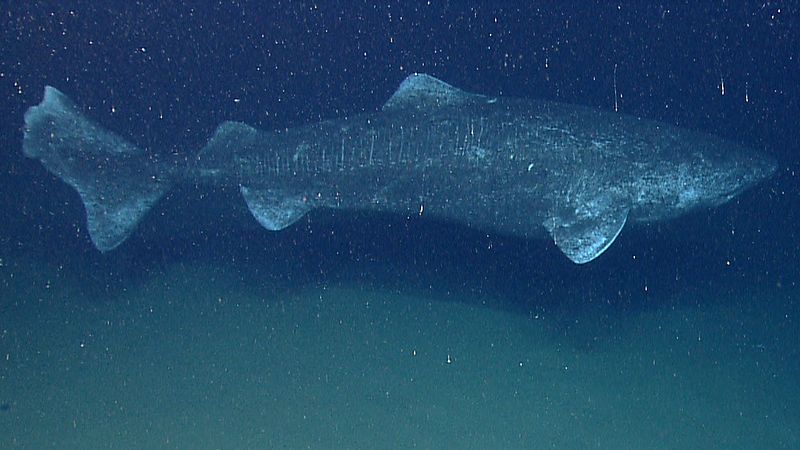
This is a guest post from Sizing Ocean Giants team member Leo Gaskins 1) Not the best cook? No worries, Greenland sharks won’t complain! Forgot…
View More 3 Reasons Why You Should Invite a Greenland Shark to Thanksgiving DinnerThis might come as a shocker: I don’t care about metabolism (or bits of floating plastic, or whale sharks, or coral reefs…sorry Deeplings). Its not…
View More Capitalizing on recessions with economic booms of dataAnd to end you day on a uber-depressing note, sure to give you at least some nightmares Scientists studying Caribbean reefs say that 2010 may…
View More Caribbean Coral Die-Off Could Be Worst Ever…in 2010 despite recent minimum of solar iridescence. “We conclude that global temperature continued to rise rapidly in the past decade” and “there has been no…
View More 12-month running mean global temperature reached new high…At this year’s National Association for Biology Teachers conference, Steve Haddock from the Monterey Bay Aquarium Research Institute, spoke on deep ocean habitats. The National…
View More Life in the Deep Sea: Only the Fragile SurviveIf you would understand anything, observe its beginning and its development. –Aristotle To understand the biogeography of the modern deep sea, we must examine the…
View More The Origins of Deep-Sea Fauna