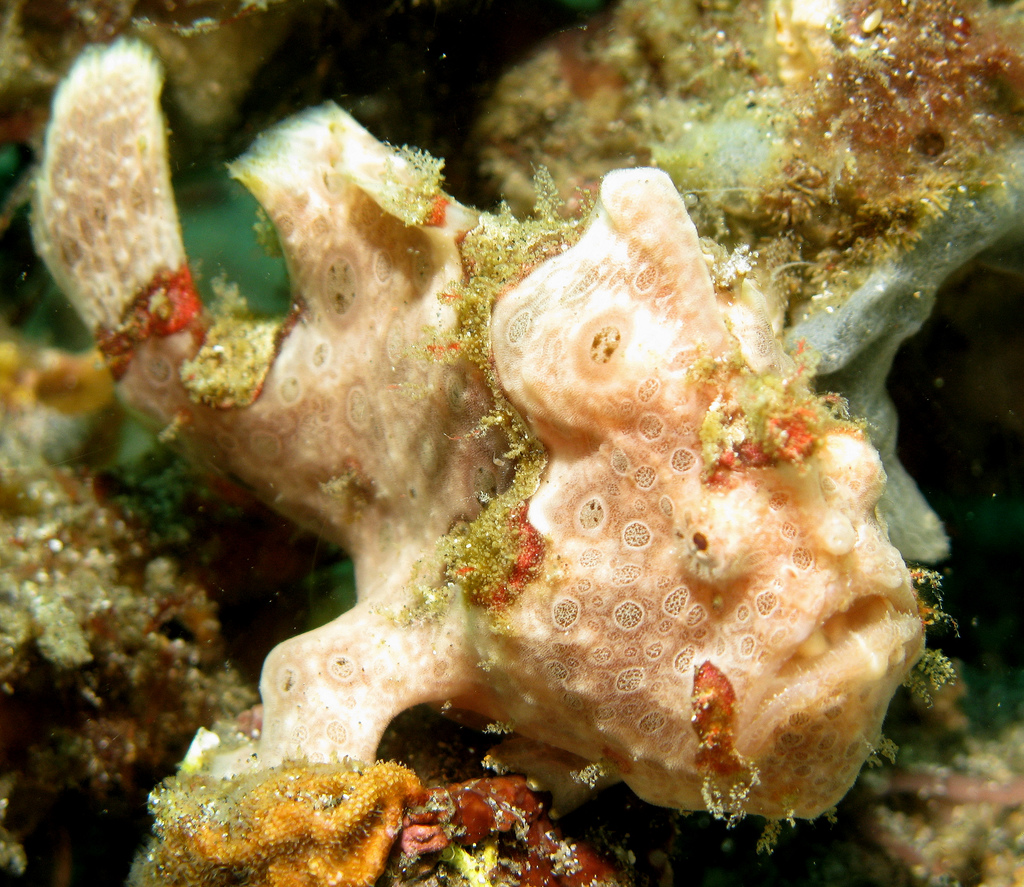
In the below video a seasnake catches a moray eel at Giant Clam, Puerto Galera, Mindoro, Philippines. I believe the eel is a fimbriated moray, Gymnothorax fimbriatus which can reach lengths of of about 2.5 feet and apparently can make a fetching design for a dress. The sea snake appears to be the banded sea . . . → Read More: Seasnake vs. Moray Eel…not what I was expecting
Treehugger recently posted 10 Reasons Why Dolphins Are Undeniably Awesome. This is all nice and well but this does overlook some key aspects of dolphins that should be recognized. Good luck trying to sleep tonight when you start thinking about dolphins. 1. They gang rape femalesAs Miriam wrote before XXfactor, “Dolphin sex can be violent . . . → Read More: 10 Reasons Why Dolphins Are A$$holes
Almost sixteen years ago, I was at phase one of Operation Convince A Tall Blond To Get With Me. For brevity, I will refer to this as The Operation. I won’t further comment on my moves during The Operation other than to say they were real smooth. Tall blond was completely in to me. At . . . → Read More: If I Was A Hagfish Could I Get With Tall Blonds?
New work in the Proceedings of the Yorkshire Geological Society indicates that ammonites were likely preyed upon beaked squids. The Chamouth Mudstone Formation on the British Coast is famous for its ammonite fauna from 183-195 million years ago. Twenty percent of the ammonites were found to have damage toward the rear of shell. This spot . . . → Read More: Cephalopod on Cephalopod Crime
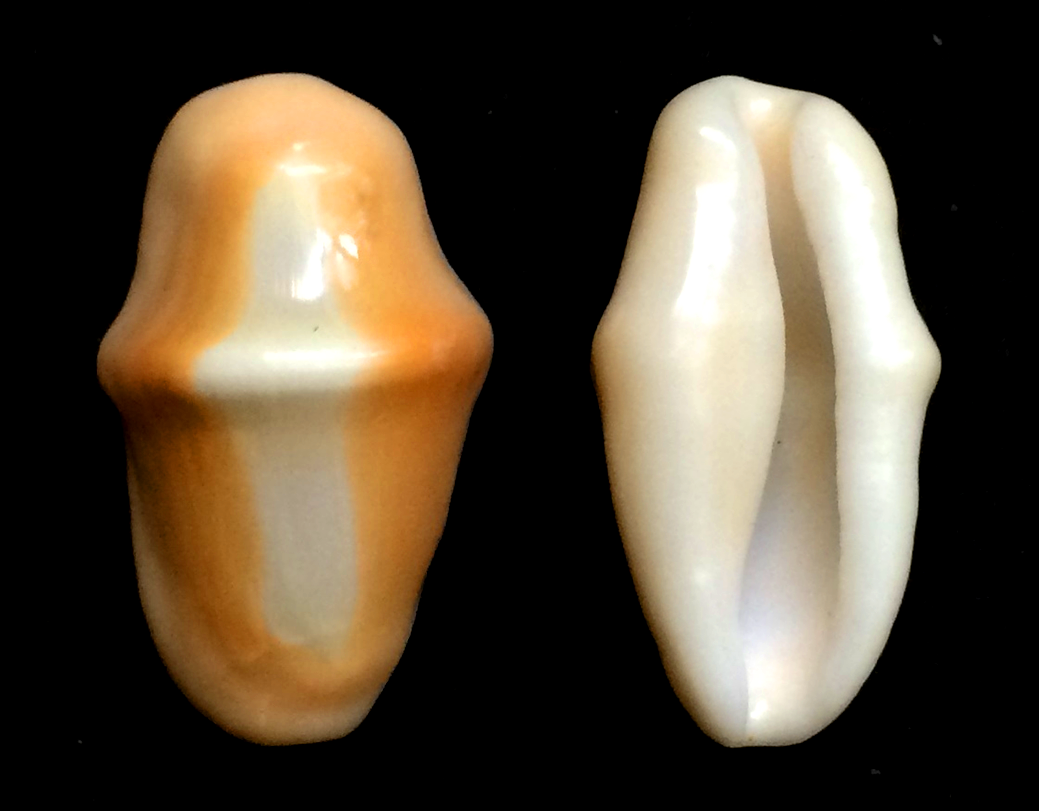
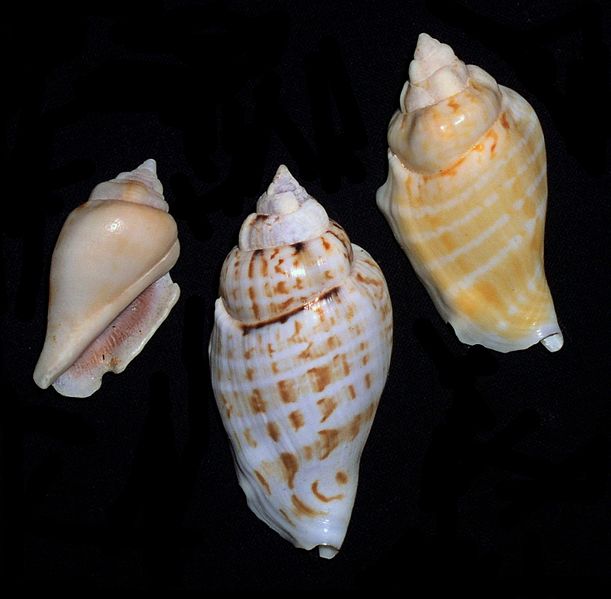
By Dr. M, on  January 21st, 2010 Adaptations, New Research, Organisms, Seeps, Vent, & Whale Falls, Uncategorized aragonite, armor, Calcium Carbonate, conchiolin, Ed Yong, Gastropod, gold foot snail, iron clad snail, iron sulfide, mantle, Military, predator, samurai, shell, Snail With an illustration this cool you know it has to be good science Behold the Samuel Jackson of snails, i.e. one bad mother It is told in the Hagakure: The Book of the Samurai At the time of the attack on the castle at Shimabara, Tazaki Geki was wearing very resplendent armor. Lord Katsuhige was . . . → Read More: The Evolution of Iron-Clad Samurai Snails With Gold Feet
By Dr. M, on  October 26th, 2009 Cephalopods, Reviews albatross, Antarctica, beak, Cephalopod, International Polar Year, penguin, predator, seal, Southern Ocean, stomach, whale The Cephalopod beak guide for the Southern Ocean. What everyone needs for the coffee table ..we interrupt this post so that Dr. M can perform the rare dance of the geek and squeal in delight…by Jose Xavier and Yves Cherel and published by British Antarctic Survey was published recently as a product from the International . . . → Read More: Guide To Things That Might Gnaw On Your Brains In Southern Ocean
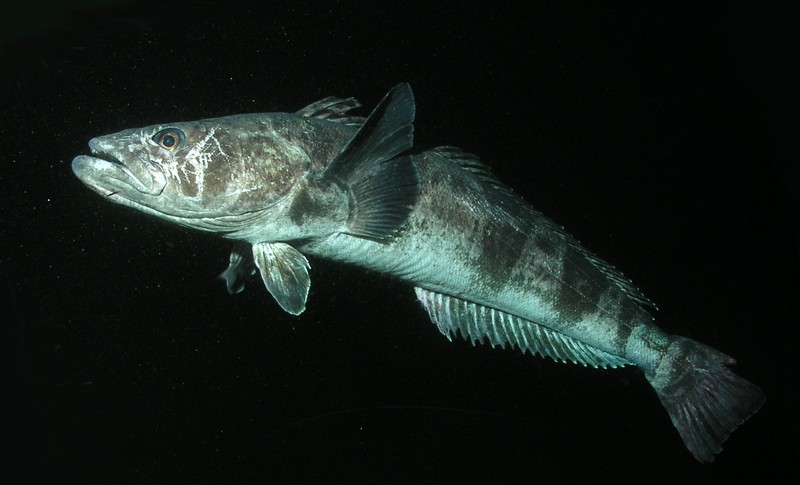
By Dr. M, on  August 11th, 2009 Adaptations, Biology, Fish, New Research, Organisms, Uncategorized abyss, carbon cycle, detritus, echinoderm, fatty acid, food web, grenadier, lipid, macrourids, marine snow, Pacific, predator, prey, rattail, Scavenger, Station M., trophic Photo courtesy of MBARI. Coryphaenoides acrolepis in Monterey Canyon. Rattail fish are caught and sold under the more palatable name, “grenadier.” However, the Monterey Bay Aquarium's Seafood Watch program recommends that consumers do not purchase or eat grenadier because the fish grow very slowly and may not reproduce until they are 30 or 40 years . . . → Read More: Simple Summer Recipes for Dead Seafloor Carrion
By Dr. M, on  July 30th, 2009 Adaptations, Carnivals & Link Love, Mating & Reproduction, Opinion & Editorial, Organisms constraints, design, Double XX, evolution, phylogenetic, predator, prey, sharks, size, Wired It’s been eight days since Miriam posted at Double XX This Wired piece on the 10 Worst Evolutionary Designs also made me want to smash some test tubes. It’s a stunningly inane list of animal adaptations that the author thinks are weird, uncontaminated by even the most basic knowledge of evolution. And the eight days . . . → Read More: Worst Evolutionary Designs? No! Brilliant Solutions to the Complexity of Nature and Constraints
Orca’s doing what they do best…working together to be voracious predators. Not so cute and cuddly?
By Dr. M, on  June 28th, 2009 Adaptations, Geology, Organisms, Paleobiology Age of Fishes, armor, Arthrodires, computer model, Devonian, Dunkleosteus, force, fossil, jaw, Ohio, placoderms, predator, shark Dunkleosteus skull at the Cincinnati Museum of Natural History Way before even your great-great-grandpappy was born and Ohio was ocean instead of cornfields, it was the “Age of the Fishes”. During this Devonian (400-360 million years ago), the placoderms, giant, shark-like, armored fishes, ruled the oceans. Among the largest and most fearsome of these were . . . → Read More: Easy Big Fella
|
|
Recent Comments