boon·dog·gle /ˈbo͞onˌdäɡəl/ noun: work or activity that is wasteful or pointless but gives the appearance of having value. verb: waste money or time on unnecessary…
View More The Continued Boondoggle of the Ocean Cleanup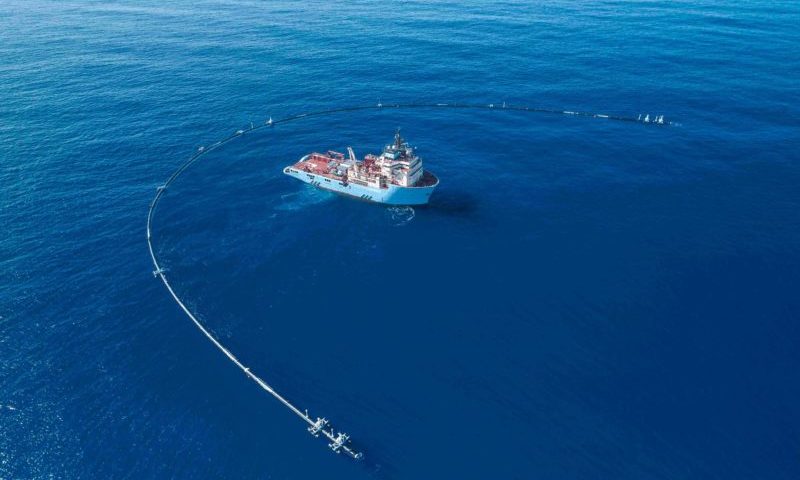
boon·dog·gle /ˈbo͞onˌdäɡəl/ noun: work or activity that is wasteful or pointless but gives the appearance of having value. verb: waste money or time on unnecessary…
View More The Continued Boondoggle of the Ocean Cleanup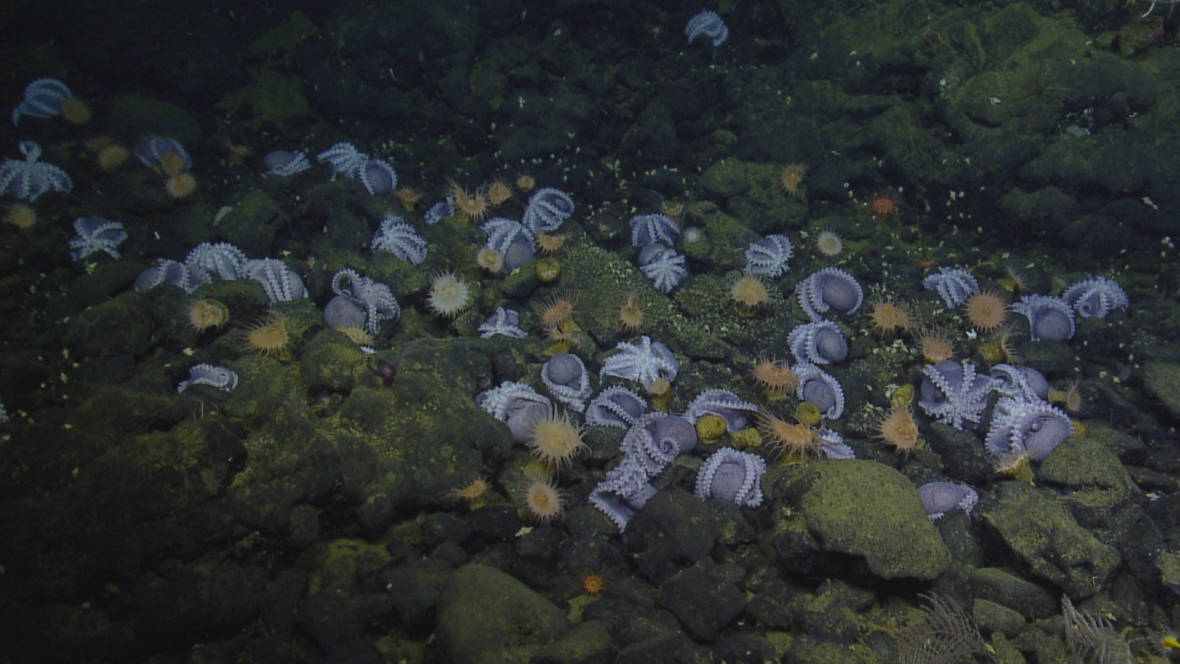
Far below the surface of the Pacific Ocean, three quarters of a mile deep, lies the peak of an underwater mountain. Rising 1.4 miles off…
View More An Octopus Nursery Discovered on a Deep Underwater Mountain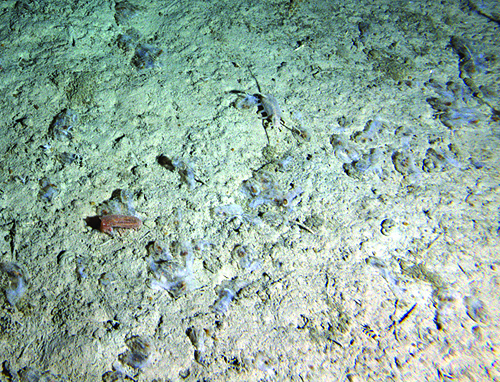
Recently we at Deep-Sea News have tried to combat misinformation about the presence of high levels of Fukushima radiation and its impact on marine organisms…
View More Is the sea floor littered with dead animals due to radiation? No.A paper by Marc Nadon and colleagues from U. Hawaii and U Miami RSMAS has been getting a good bit of press lately (see here…
View More Are humans and reefs sharks mutually exclusive?All captured in video by scientists exploring 1220m (4000ft) beneath the surface in Pacific Ocean near Samoa the previous summer. The lava erupting from the…
View More Deepest Underwater Volcanic EruptionIn 2008 we reported on the 7700 meter record for filming fish, video above, Using a remote lander, a group filmed Pseudoliparis amblystomopsis, a deep-water snailfish, found…
View More Deepest Fish On FilmBack from the great NE Pacific and no sooner do I return than Kevin takes off for the great SE Atlantic. Overall a very productive…
View More Back From the BlueThe 285 macrourid fishes, the rattails, whiptails, and grenadiers, are one of, if not the, most abundant fish in the deep. You cannot throw…well anything…without…
View More Simple Summer Recipes for Dead Seafloor CarrionErrant polychaete from a Pacific coast kelp holdfast; filmed during an Invertebrate Zoology lab at the University of Nebraska-Lincoln.
View More TGIF: Polychaete