Prepare yourself for the hammer. No not that hammer. This one. The Malleidae, or the hammer oysters, is a suite of around 30 species, primarily…
View More Bring the hammer.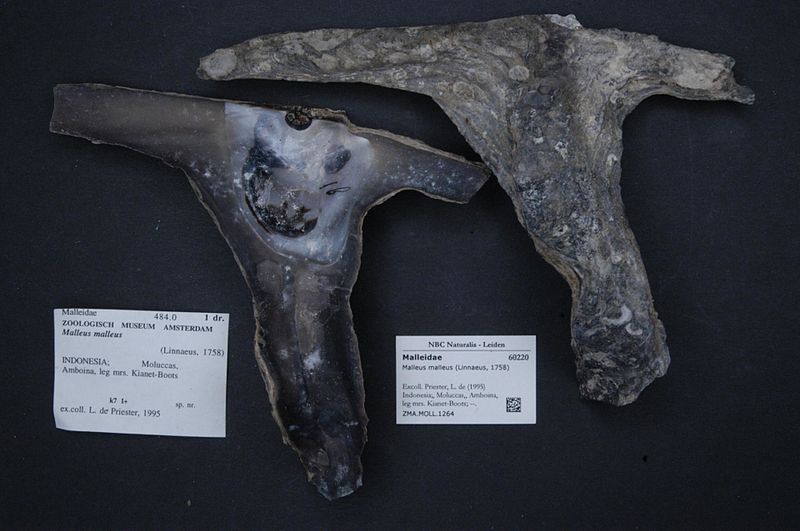
Prepare yourself for the hammer. No not that hammer. This one. The Malleidae, or the hammer oysters, is a suite of around 30 species, primarily…
View More Bring the hammer.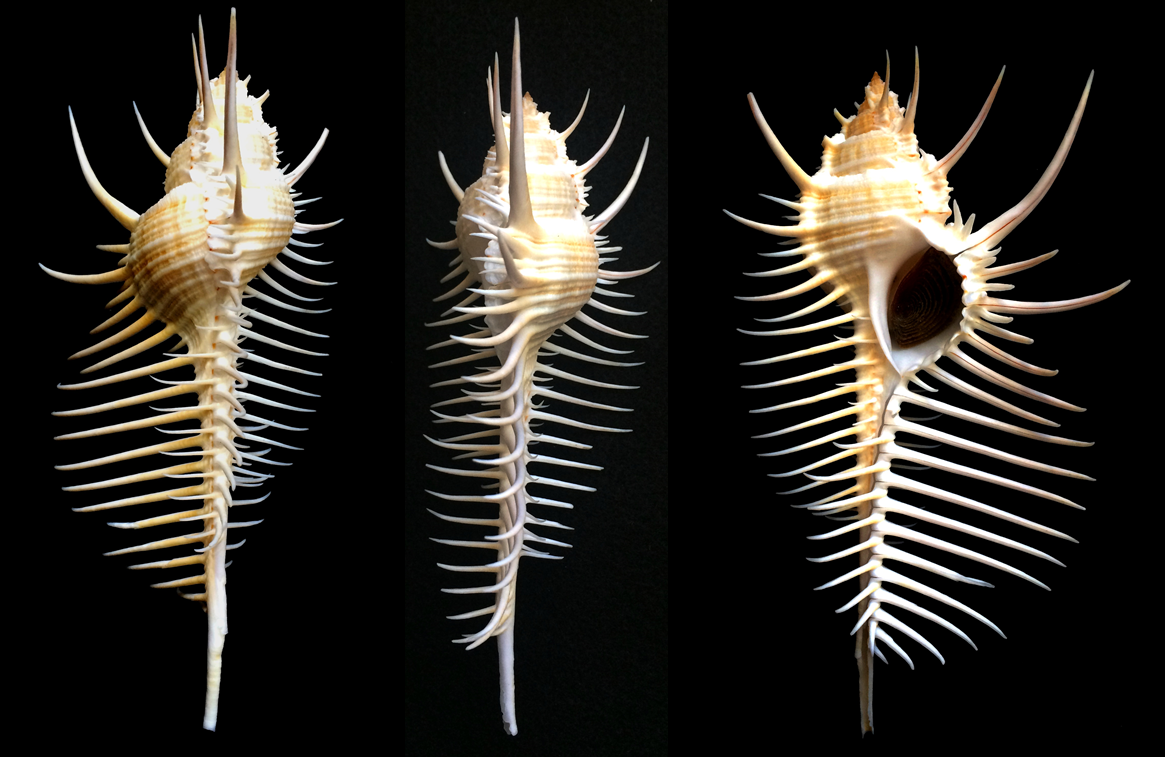
Evolution is repetitive, especially if it produces adaptations that work well. If it’s all about survival, spines do the trick throughout the mollusk world. Scorpion Without…
View More Malacology Monthly: Spines and How to Use ThemWas just sent these great informative short videos about research being done to understand how climate change affects coastal communities. Coastal organisms live in areas…
View More California Coastal Climate Change ResearchStarting around 540 million years ago during the Cambrian explosion many animal phyla, including the freshest of them all—bivalves, came into existence. Within ~100 million…
View More Can Bivalves Kick It? Yes they can!When I posted Iglu’s revised Oil Spill Timeline a few days, I didn’t give much thought to visual properties of the data presented in the…
View More Putting Oilmageddon 2010 in ContextSome of the species in the genus Pseudo-nitzschia are nasty little diatoms. They produce domoic acid, a neurotoxin typically to blame for all sorts of…
View More Nerve Toxins In The Deep