Just near 6 million liters of oil spilled out of Macondo well in 2010, about 6 supertankers worth of oil. The ramifications of the oil…
View More Given the choice, corals would prefer oil to dispersant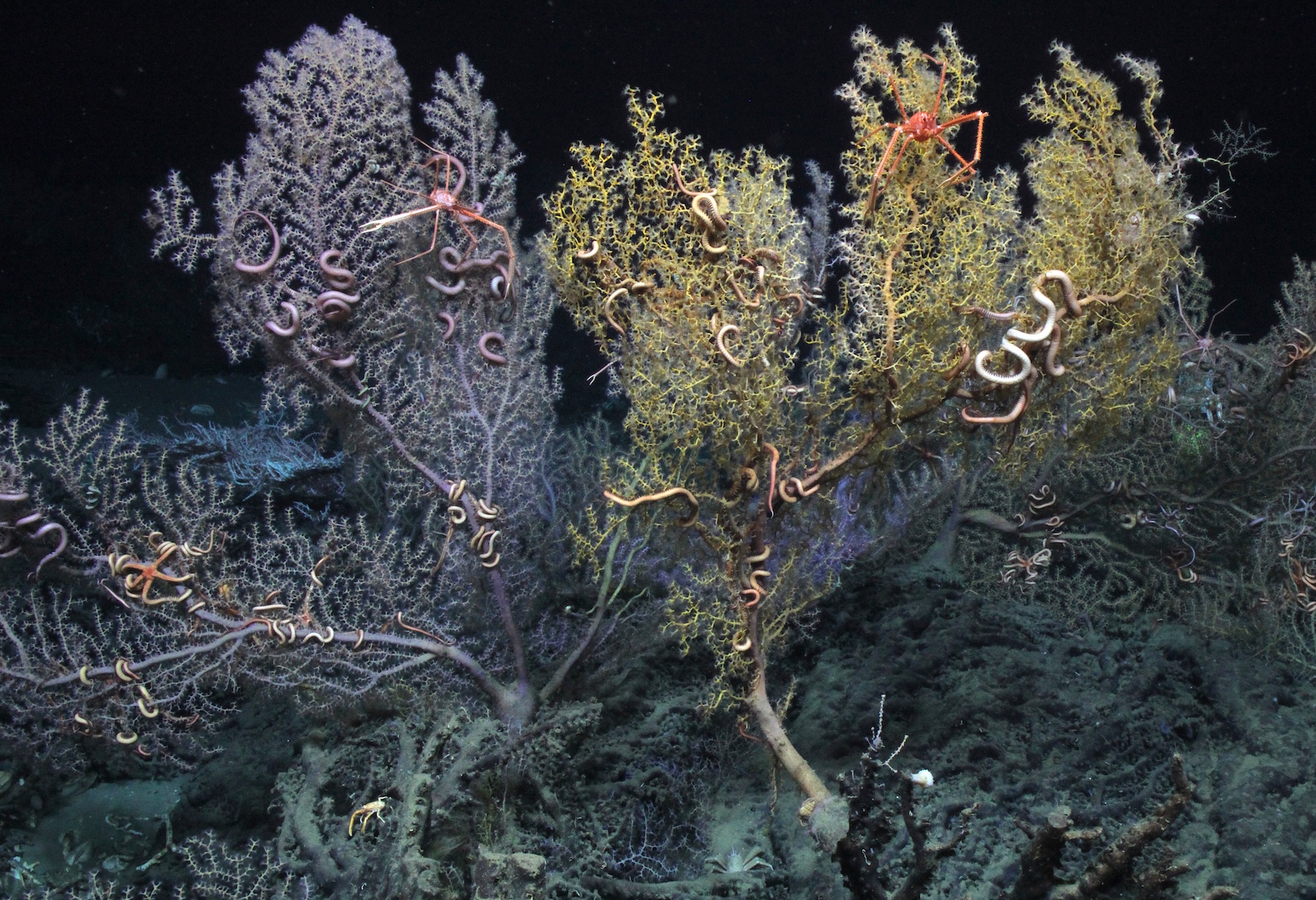

Just near 6 million liters of oil spilled out of Macondo well in 2010, about 6 supertankers worth of oil. The ramifications of the oil…
View More Given the choice, corals would prefer oil to dispersantThis is Guest Post from Dr. Daniel Jones a deep-sea biologist with the National Oceanography Centre in the United Kingdom and Project Coordinator for SERPENT…
View More Can Beasts of the Deep Survive the Impact of Drilling for Oil?Story at NPR: A breakthrough in oil cleanup technology allows crews to skim spilled oil off the water’s surface at a much faster rate. The…
View More New Oil Skimmer Design Wins X-PrizeIf the BP oil spill hadn’t happened, where would the oil have gone? This short animation by Chris Harmon gives a sense of the vast…
View More If the BP oil spill hadn’t happened…John Hocevar is a marine biologist and is the Oceans Campaign Director for Greenpeace USA, where he oversees their oceans and fisheries work, including efforts…
View More Guest Post: Greenpeace in the Gulf of Mexico – an UpdateIs the EU trying to off oil competitors or is there real concern on protecting the Arctic ecosystem? via EU clashes with Greenland over international…
View More EU Clashes with Greenland over ArcticThat’s right, new work suggests BP’s estimates of oil flowing from the broken well were an order of magnitude off. With these revised estimates, the BP…
View More That’s 56,000 Barrels A Day…Not 5,000Mike Bok of the sensational Arthropoda blog has the latest Carnival of the Blue (edition #39!) up. Lots of great reads. Next month is held…
View More The Giant LinkopodWe love getting interesting emails from our readers. Some are complaints about our (mostly mine) colorful language, many are emails telling us how they appreciate…
View More Pouring Oil on ‘Troubled Waters’UPDATE June 9: The black circles are misleading, due to an error in their math. See an accurate comparison from David Bradley at Sciencebase. The…
View More Oilmageddon Timeline Update