
Science is about discovery, observation and understanding, but it doesn’t always proceed smoothly and inexorably towards success. Real science, especially RealBiology®, is often messy and…
View More Notes from the field: Mexico whale shark research 2012Tag: Mexico
TGIF – curious whale shark
To go with the whale shark news roundup this week, I thought I’d post a video from my group’s whale shark research work in Mexico…
View More TGIF – curious whale sharkWhat’s in a name? Origins of the word “shark”
This article is reposted from my old blog Deep Type Flow and was originally published 7/12/2010 To a recent roundup of whale shark news, I appended…
View More What’s in a name? Origins of the word “shark”TGIF – a clarion call for manta rays
I just wanted to share some nice footage from Mexico showing a group of clarion agenlfish (Holacanthus clarionensis) cleaning a manta ray that comes within…
View More TGIF – a clarion call for manta raysWhy cyclops shark grabs at our imagination
If you’ve been out of touch for a while lately and haven’t immediately grokked what this post is about from the title, it concerns a…
View More Why cyclops shark grabs at our imaginationSpotting the difference between whale sharks
It’s getting to that time of year again. It’s hot here in Atlanta, and really hot down in Mexico, where, in between the tropical storms…
View More Spotting the difference between whale sharks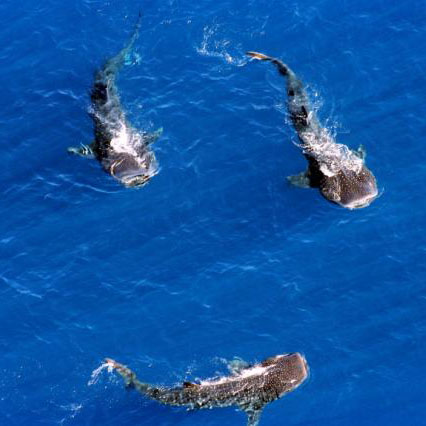
Inside the Outside
*Ed. Note: Al’s post was selected by the staff at PLoS One as the April Blog Pick of the Month! Awesome Job Al! – KAZ…
View More Inside the Outside70’s Porn Staches and the Female Fish Who Love Them
Straight men let’s face it. We will do anything if we think females will find it attractive. No matter how ludicrous, expensive, or time-consuming it…
View More 70’s Porn Staches and the Female Fish Who Love ThemNew Hydrothermal Vent Sanctuary
President Felipe Calderón announced the creation of three new marine protected areas including Mexico’s first deep sea marine protected area, the Guaymas Basin and Eastern…
View More New Hydrothermal Vent SanctuaryNew MPAs in Mexico protect vents, whale sharks
From the MPA News: In June, Mexico designated its first deep sea marine protected area around two hydrothermal vent systems in the Gulf of California…
View More New MPAs in Mexico protect vents, whale sharks