Most fauna in the deep-sea rely upon a drizzle of particles of decaying animals and feces. This marine snow is of low food quality as…
View More Dead Elasmobranchs on the Seafloor are Not as Appetizing as One Might Assume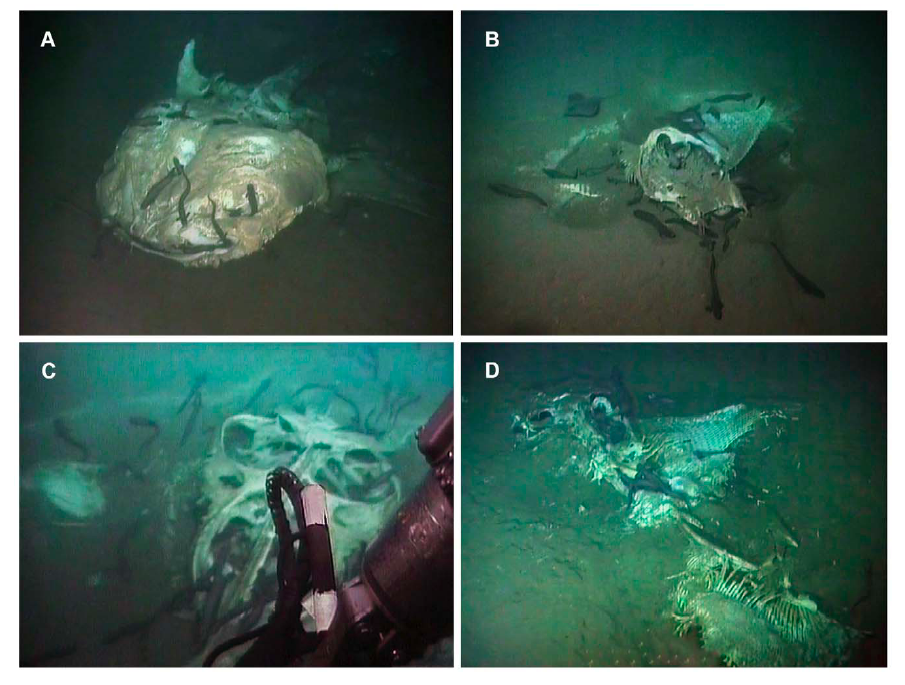

Most fauna in the deep-sea rely upon a drizzle of particles of decaying animals and feces. This marine snow is of low food quality as…
View More Dead Elasmobranchs on the Seafloor are Not as Appetizing as One Might Assume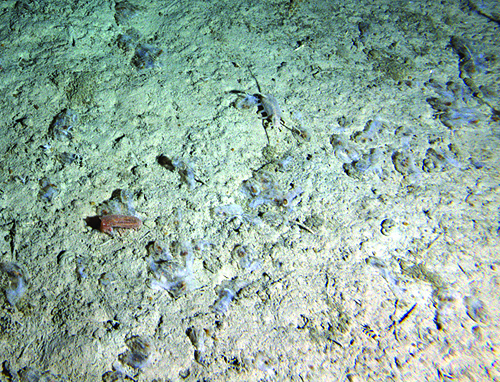
Recently we at Deep-Sea News have tried to combat misinformation about the presence of high levels of Fukushima radiation and its impact on marine organisms…
View More Is the sea floor littered with dead animals due to radiation? No.Oh the dark deep sea is frightful, But the food not so delightful, But since we’ve got no place to go, Let It Marine…
View More Let It Snow, Let It Snow, Let It SnowFrom Monterey Bay Aquarium Research Institute…In the ocean, there are places where it looks like it is snowing. These magical places are near undersea volcanic…
View More TGIF: Marine SnowThe 285 macrourid fishes, the rattails, whiptails, and grenadiers, are one of, if not the, most abundant fish in the deep. You cannot throw…well anything…without…
View More Simple Summer Recipes for Dead Seafloor Carrion