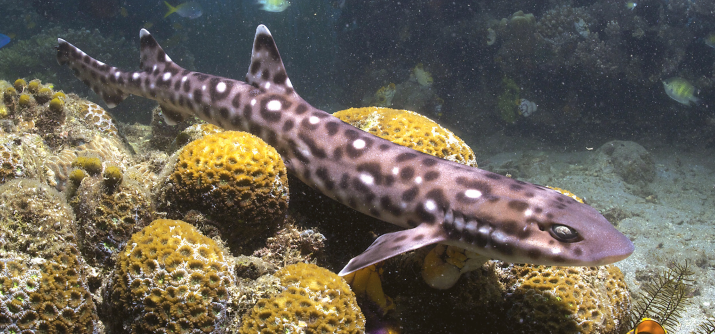
By para_sight, on  May 28th, 2011 Adaptations, Biodiversity, Ecology, Mating & Reproduction, Megavertebrate, New Research, Open Access Genetics, Reproduction, whale shark Jenny Schmidt from U. Illinois and her co-authors have uncovered a fascinating nugget of biology of the whale shark in a recent (and Open Access – w00t!) paper in Endangered Species Research. In it, they continue the analysis of embryos collected from a heavily pregnant female first reported by Joung et al. (1996) in a . . . → Read More: Who’s your daddy?
Everyone knows what DNA is–the genetic code, the building block of life, what catches the criminals in CSI. But do you know how scientists harness the awesome power of DNA in their everyday research? Marine science (like any other science these days) is becoming more and more reliant on genetic information. DNA can tell us . . . → Read More: The Ghetto Guide to Genetics
By RickMac, on  February 1st, 2011 Biodiversity, Coral, Ecology, Evolution, Mating & Reproduction, New Research, Open Access, Scientist! conservation, coral reefs, Genetics Acropora millepora aquarium colony grown from fragment, www.reefclub.or.kr One of the defining decision points of life: Settle-down and make a living close to the familiar particulars of your birthplace or venture out to get a fresh start and be exposed to additional opportunities and experiences that “somewhere else” could open up. In addition to vexing . . . → Read More: Red Means Go: Coral, Color, and Climate Change
By Dr Bik, on  January 20th, 2011 Biodiversity, Conservation & Environment, Life Science, Opinion, Ramblings, Scientist! Biodiversity, Genetics, kinorhynch, nematode, tardigrade, taxonomy Dr. M’s article in Wired truly stirred something in me this morning. We need to put names on things. I’m a scientist who has always strived to be integrative—I believe you need to understand all sides of a debate in order to fix the root of the problem. I’ve tried everything from traditional nematode taxonomy, . . . → Read More: Biodiversity crisis-a call to arms for scientists?
By Kevin Zelnio, on  December 28th, 2010 Fish, Life Science Cancer, DNA, Genetics, Genomic Repairman, Medaka Fish, Melanoma, Oryzias, Xiphophorus, Xmrk Editor’s Note: Genomic Repairman is a friend I’ve gotten to know through Twitter (@genrepair). He is a semi-cultured, good-natured graduate student in biomedical sciences who escaped out of the deep south and now focuses on using genetics and biochemistry to elucidate DNA repair in cells. He blogs at Tales From a Genomic Repairman. I . . . → Read More: Guest Post: Why cancer researchers think fish are cool
By Dr Bik, on  September 6th, 2010 Biodiversity, Conservation & Environment, Expeditions, Oil Spills, Tweets, Uncategorized BP, Deepwater Horizon, Genetics, Gulf of Mexico, Meiofauna, Oil Spill, road trip, twitter Remember Dr. M’s recent disturbing post about the quelling of independent science in the Gulf? I can now officially announce that my lab was one of the recipients of the rapid response research grants awarded by the National Science Foundation—hurrah! I’m the postdoc assigned to this project, which aims to characterize pre-spill meiofaunal community structure . . . → Read More: Follow Dr. Bik to the Gulf!
By Kevin Zelnio, on  July 29th, 2010 Biodiversity, Evolution, New Research Best of Zelnio, Genetics, plos one, population genetics, research blogging, researchblogcast, Species concepts A recent PLoS One paper by Birky and colleagues attempts to define species for asexual animals using the theoretical framework that has been developed by population geneticists. Many species concepts focus on reproductive isolation and are not applicable for defining what is necessary and sufficient for delimiting what species are in non-sexually reproducing organisms slike . . . → Read More: ResearchBlogCast #11: A Population Genetics Species Concept?
Sometimes I find it really frustrating that all we ever talk about is species (granted, I am very guilty of this too). Is it new? Where is it found? Where isn’t it found? Where do we put it on the tree of life? Does it need protection? Zzzzzzzzzzzzzz… The question I wished we asked . . . → Read More: If I had my way, we’d just sequence everything
By Kevin Zelnio, on  July 27th, 2010 Adaptations, Biodiversity, Ecology, Fish, Natural Disaster, New Research, Seeps, Vent, & Whale Falls Amoeba, DNA Barcoding, Fiddler Crab, Flatfish, Genetics, Hurricane, Hydrothermal Vent, mating behavior, Nova Scotia, Paramoeba, Pathogen, Sea Urchin, Symphurus, The Tide Pool, Western Pacific An occasional series where we briefly report 3 new studies and tell you why they are cool! ———————————- Symphurus sp. collected from Macauley Volcano; scale is 5 cm long. Courtesy M. Clark (NIWA). The western Pacific is broken land, plates are crashing every which way creating earthquakes and volcanoes from Russian Kamchatka to New Zealand. . . . → Read More: The Tide Pool: Divergent Flatfish, Eavesdropping Fiddler Crabs, Hurricanes Kill Urchins
By Kevin Zelnio, on  July 2nd, 2010 Adaptations, Deep Sea Music, Mating & Reproduction, New Research Best of Zelnio, Botryllus schlosseri, Genetics, Multiple Paternity, Music, polyandry, sea squirt, sperm, Tunicate, Urochordata Photo of Botryllus schlosseri from the Swalla Lab website Yep, that’s right. They get it on with any male gamete that passes their way. They just don’t give a [rhymes with duck]. Boom chaka-laka-boom. These loose lizzies are all about increasing genetic diversity if you know what I mean. OH, I know you know . . . → Read More: Female Urochordates Have Few, If Any, Inhibitions
|
|
Recent Comments