
Editor’s Note: This is a guest post from Karen James (@kejames on Twitter) is an independent researcher in Bar Harbor, Maine. Her work is at the…
View More An Alarming Tweet From the House of Representatives Committee on Science, Space, and TechnologyCategory: Environmental Sciences
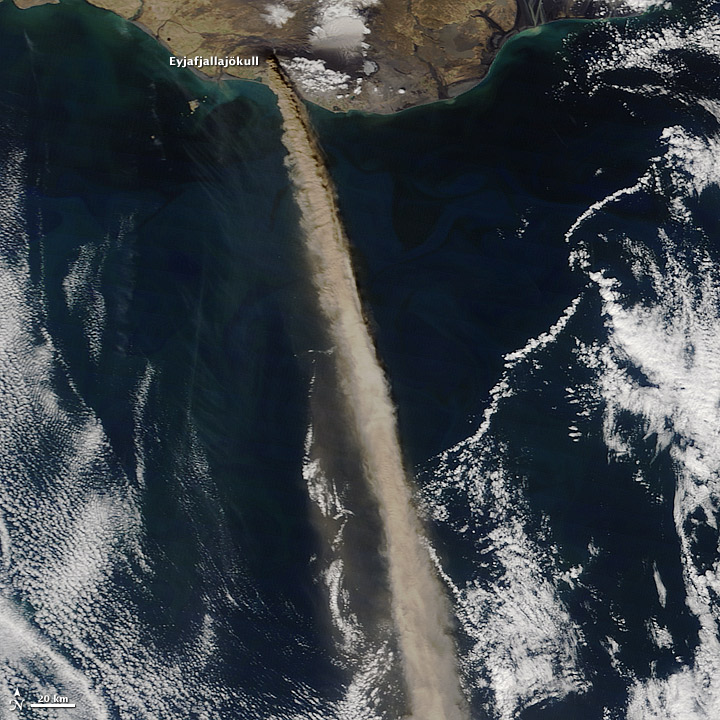
The Twelve Days of Christmas – NASA Earth Science Edition
On the first day of Christmas NASA Earth Science gave to me: advance warning of Hurricane Activity. On the second day of Christmas NASA…
View More The Twelve Days of Christmas – NASA Earth Science Edition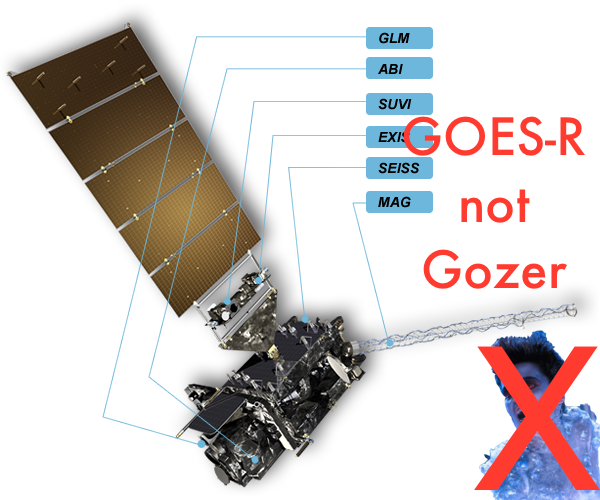
Wherever it GOES, I GOES, we GOES. NOAA and NASA launch another satellite acronym into space.
What did you do this weekend? Well if you were NASA, you successfully launched NOAA’s brand-spanking new weather satellite GOES-R. Packed with six instruments, this geostationary…
View More Wherever it GOES, I GOES, we GOES. NOAA and NASA launch another satellite acronym into space.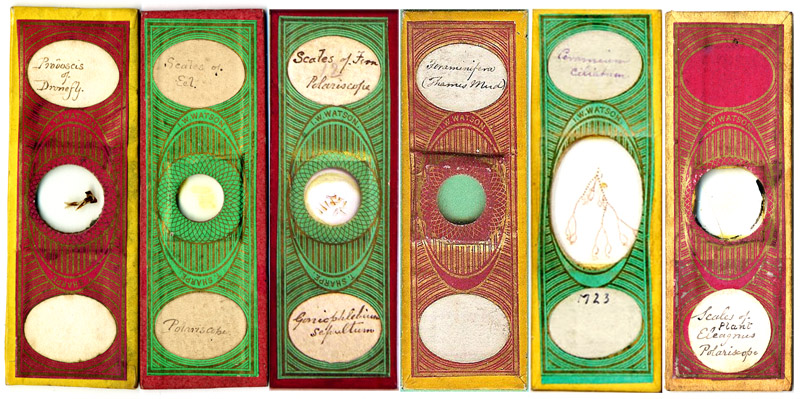
Science For the People, By the People
“As I grew up I was fervently desirous of becoming acquainted with Nature.” -John James Audubon There are few books I have seen as spellbinding…
View More Science For the People, By the People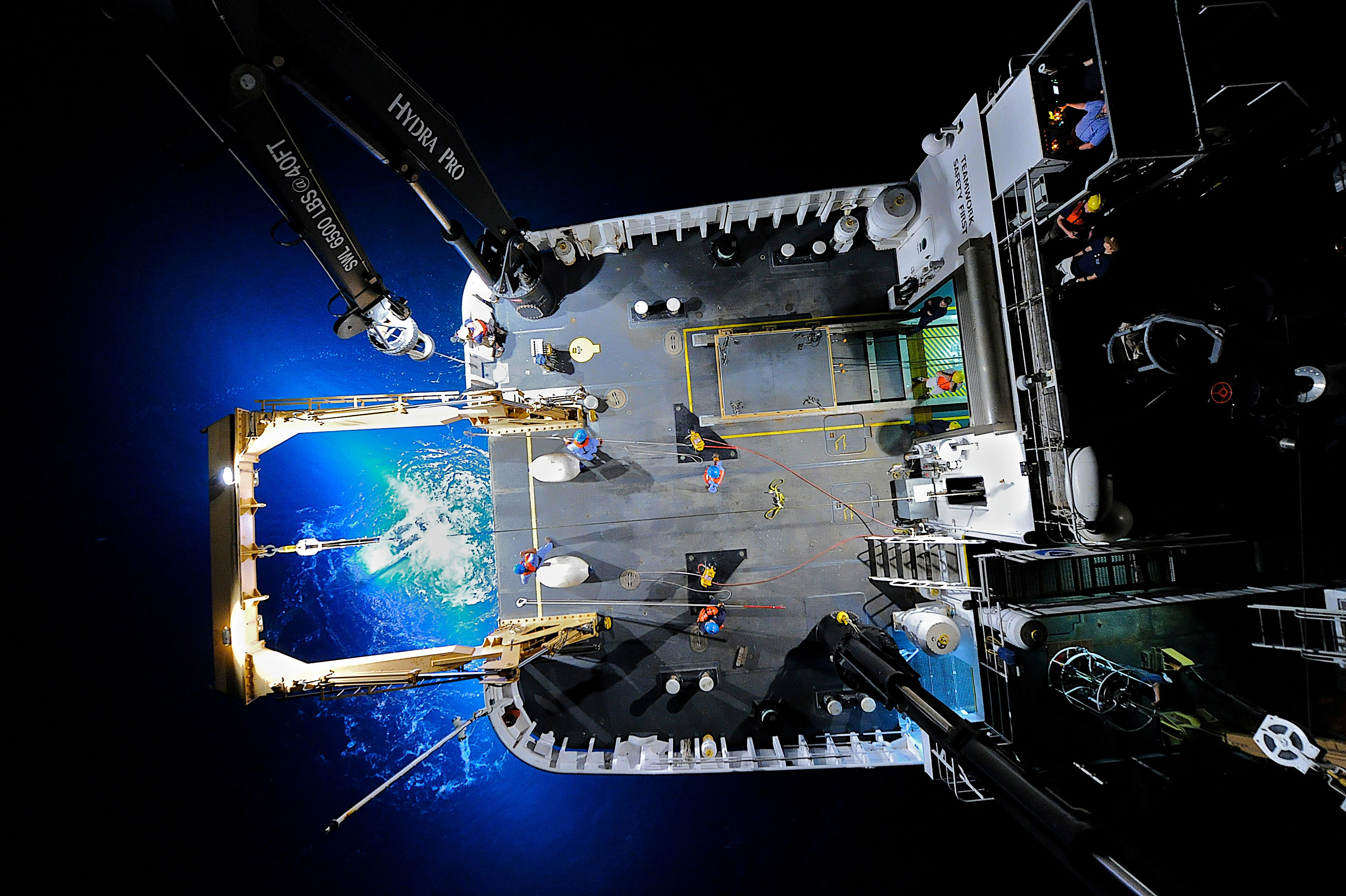
Have you been watching Okeanos explorer? If not, this week is your chance!
I’m kind of obsessed with Okeanos Explorer. Why? Because being able to watch a live feed of an ROV exploring the deep ocean on the…
View More Have you been watching Okeanos explorer? If not, this week is your chance!
Pokémon GO players, please don’t take drifters from the ocean. THEY ARE NOT POKÉBALLS.
Love it or hate it, Pokémon Go is undeniably a phenomenon. Although we here at DSN previously warned of the perils of Poké hunting in…
View More Pokémon GO players, please don’t take drifters from the ocean. THEY ARE NOT POKÉBALLS.
The Worst Ocean Environments to “Catch Em’ All”
This week the best part of the 90s has returned in full force with the Niantic’s release of Pokémon Go. You guys, this is like…
View More The Worst Ocean Environments to “Catch Em’ All”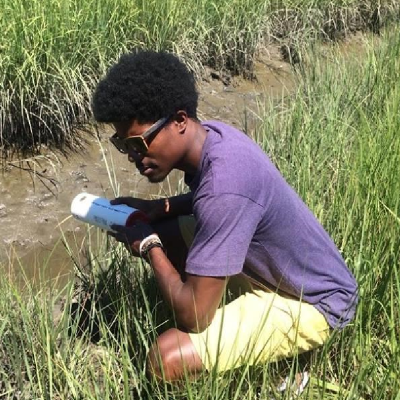
Build your very own CTD. Then kiss it and love it and call it George.
OMG OMG OMG OMG, Andrew Thaler, Kersey Sturdivant and Russell Neches over at Oceanography for everyone have just published a Build Guide for the OpenCTD,…
View More Build your very own CTD. Then kiss it and love it and call it George.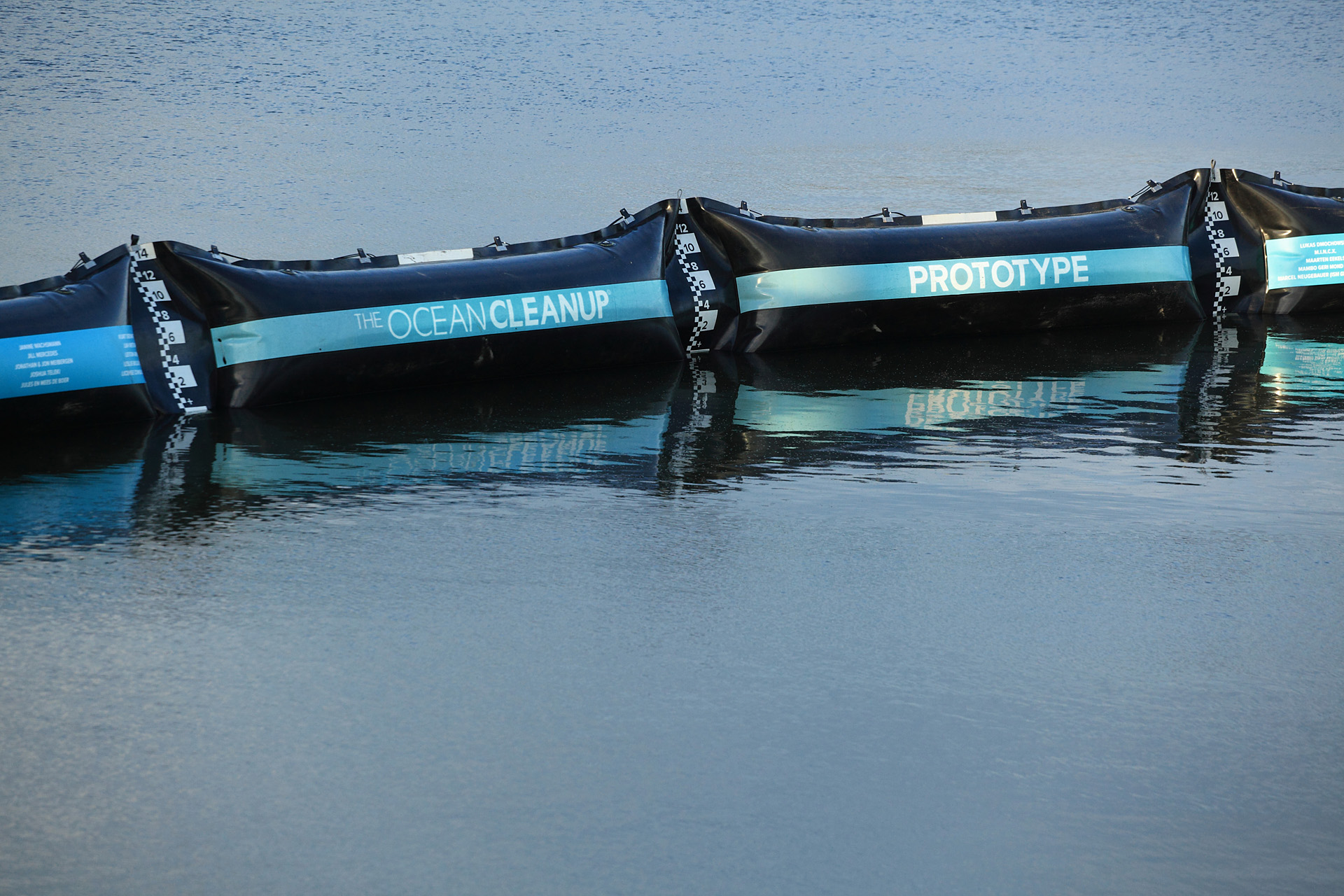
The Ocean Cleanup deployed a prototype and I honestly have A LOT of questions
Judging from the number of emails Miriam and I received from reporters today, the general public wants to hear what we have to say about…
View More The Ocean Cleanup deployed a prototype and I honestly have A LOT of questions
The Ethics of Respect for Nature
Lately I have been saddened by a series of unfortunate events that have become all to common. These incidents center around one central theme-…
View More The Ethics of Respect for Nature