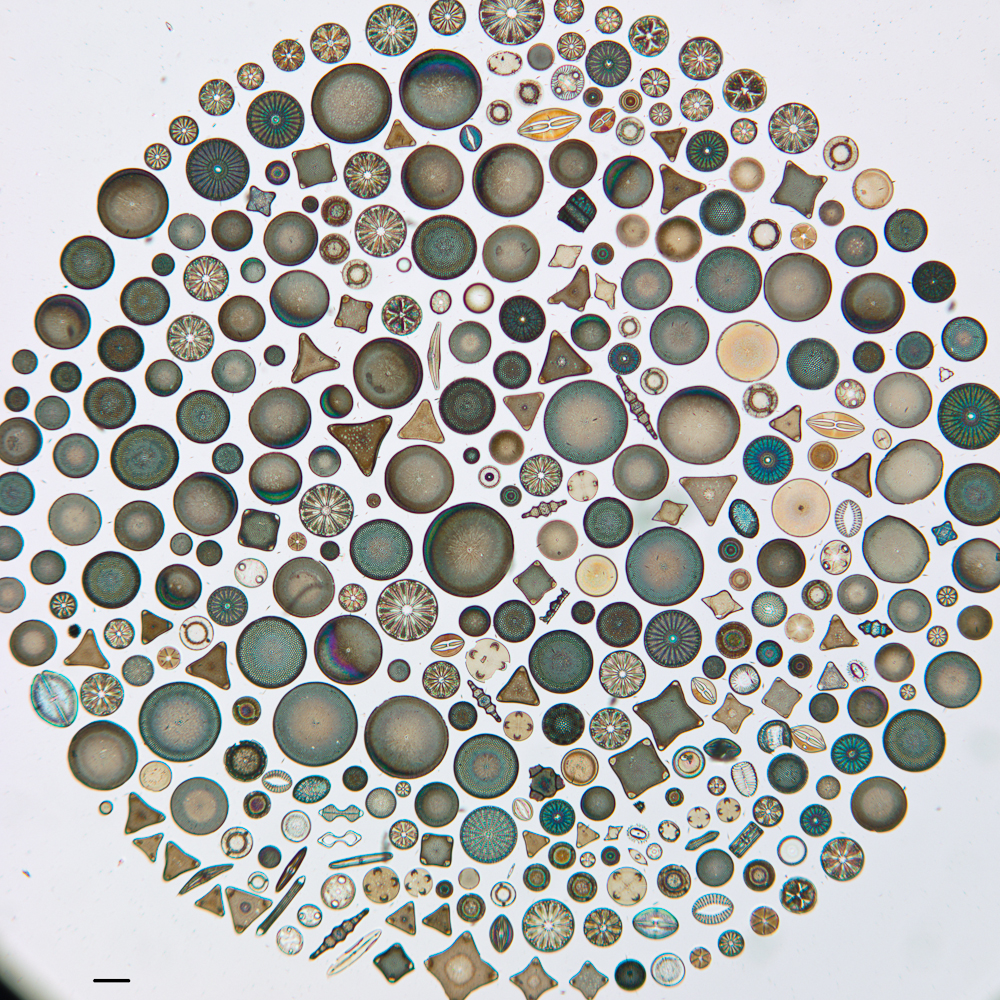
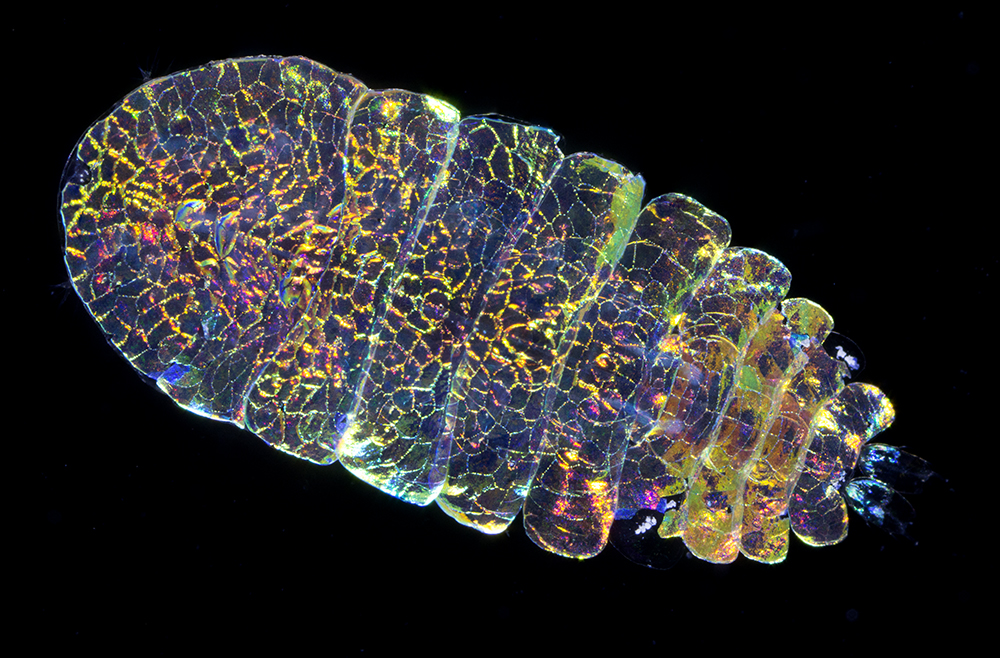
By Miriam Goldstein, on  December 23rd, 2010 Plankton Larval brittle star “snowflakes.” Photo: Dr. Richard Kirby I am spending the holiday break sorting zooplankton in the lab, so this assortment of Christmas-themed plankton seems especially joyous. (I don’t celebrate Christmas, but I do celebrate beautiful photos of plankton!) From Environmental Graffiti: Dr. Richard Kirby, a Royal Society Research Fellow at Plymouth University was . . . → Read More: The 12 Plankton of Christmas
A new study released today shows the first evidence of Deepwater Horizon oil entering planktonic food webs in the Gulf of Mexico (is anyone surprised? No? Didn’t think so. ). Researchers from Dauphin Island Sea lab and the University of South Alabama tracked levels of δ13C across different size classes of plankton, looking for depleted . . . → Read More: Oil hydrocarbons ingested by GOM plankton communities
As some of you may know, my graduate research is on plastic debris in the North Pacific Central Gyre. While I am deeply disturbed by the incredible amounts of plastic permeating our oceans, I also feel that taking a critical, scientific look at this issue is key to finding a solution. Misinformation on this issue . . . → Read More: “Recycled Island” not a cure for plastic trash in ocean
By Dr. M, on  July 19th, 2010 Biology, Dumping, New Research, Organisms, Plankton Acanthocephala, Amphipoda, anxiety, Arthropoda, Crustacea, depression, Echinogammarus, geotaxis, Parasite, phototaxis, serotonin Figure 2 from paper: Mean average phototaxis and geotaxis score of E. marinus exposed to varied concentrations of serotonin (n = 20 per treatment) over a 3-week period. Error bars to one standard deviation. *Significance compared with control determined by Mann–Whitney and Bonferroni correction p < 0.0125. Nearly 30-90% of the pharmaceuticals we digest are . . . → Read More: Your Happiness Kills Crustaceans
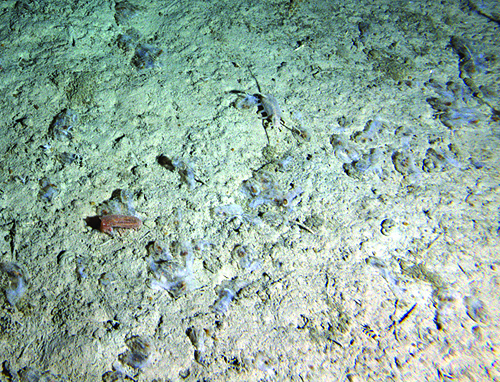
By Dr. M, on  July 5th, 2010 Biology, Ecology, Environmental Sciences, Microbes, New Research, Organisms, Plankton biogeochemistry, biological pump, carbon budget, carbon cycling, climate, deep sea, microbial, pelagic Fig 1 from Steinberg and Hansell (2010) DSRIIThe recent of issue of Deep-Sea Research II is out and focuses on the ecological and biogeochemical interactions in the dark ocean. Perhaps the best summary of why this is an important contribution is from the editor of the volume themselves… The deep sea, a vast, dark realm . . . → Read More: Interactions in the Dark Ocean
By Dr. M, on  July 1st, 2010 Ecology, Mating & Reproduction, Oil Spills, Organisms, Plankton BP, Crab, Fiddler Crab, Gulf of Mexico, Oil Spill From Harlan Kirgan, Mississippi Press… Oil droplets have been found beneath the shells of tiny post-larval blue crabs drifting into Mississippi coastal marshes from offshore waters. The finding represents one of the first examples of how oil from the Deepwater Horizon spill is moving into the Gulf of Mexico’s food chain. The larval crabs are . . . → Read More: Oil In Gulf’s Food Web
By Kevin Zelnio, on  June 7th, 2010 New Research, Organisms, Plankton Best of Zelnio, Cambrian, Chaetognath, Current Biology, Deuterostome, Ecdysozoa, evolution, fossil, molecular phylogeny, Phylogenetics, Platyhelminthes, Priapulida, Protostome, RB Editor's Selection Lynn Margulis classified the Chaetognaths, known as arrow worms, as deuterostomes. Deuterostomy is characterized by several developmental characteristics including radial, indeterminate cleavage, a posterior position of the blastopore (deuterostomy=”second mouth”), enterocoelous coelom formation and a tripartite adult body plan with a post-anal tail. At least this is what I was taught “growing up”. Three . . . → Read More: What in Darwin’s Name Are Chaetognaths?!
A nice, new video produced by MBARI about Dr. Ken Smith’s research: “The vast muddy expanses of the abyssal plains occupy about 60 percent of the Earth’s surface and are important in global carbon cycling. Changes in the Earth’s climate can cause unexpectedly large changes in deep-sea ecosystems. Based on 18 years of studies, . . . → Read More: Climate Change and Food Availability in the Deep
By Dr. M, on  March 21st, 2010 Ecology, Environmental Sciences, Microbes, New Research, Organisms, Plankton bad language, carbon budget, carbon cycle, deep sea, flux, Metabolism [Note the following post makes gratuitous use of keyboard symbols to denote adult language] In the coolest titled paper ever “Assessing the apparent imbalance between geochemical and biochemical indicators of meso- and bathypelagic biological activity: What the @$#! is wrong with present calculations of carbon budgets?” with the world’s coolest handling editor, Burd et al . . . → Read More: What the @$#! is wrong with carbon budgets?
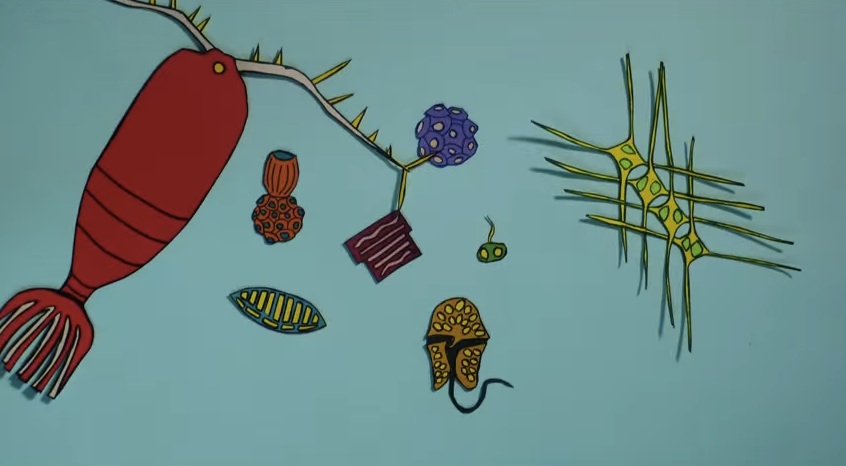
Drifters of the deep from Eugenia Loli-Queru on Vimeo. Hat tip to Penguin Wanderings.
|
|
Recent Comments