It all started with this Tweet. So, uh, I just learned that this is what a pufferfish skeleton looks like, and I think you all…
View More You Should Definitely Know about Pufferfish Skeletons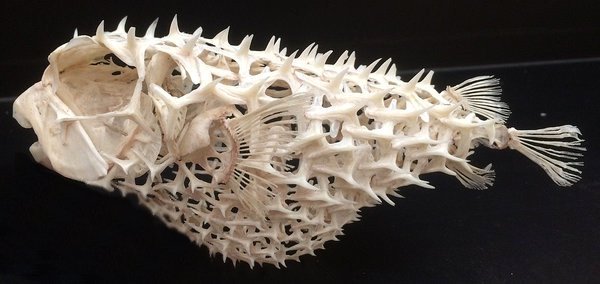

It all started with this Tweet. So, uh, I just learned that this is what a pufferfish skeleton looks like, and I think you all…
View More You Should Definitely Know about Pufferfish Skeletons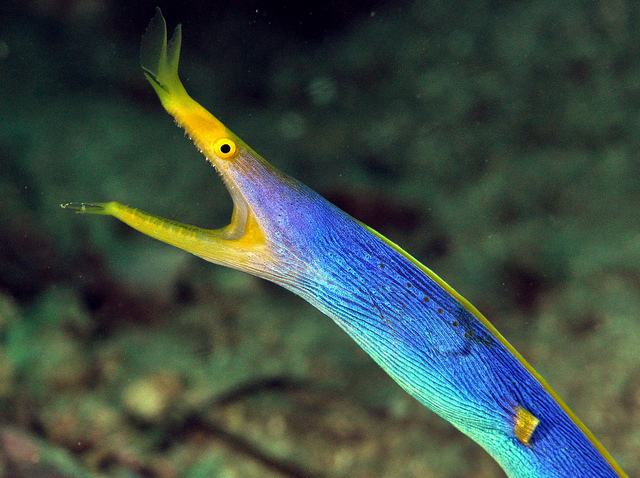
Featured image photo by Jack Follow, Blue Ribbon Eel 6, https://flic.kr/p/gXbbtG. Available by Attribution-NonCommercial-NoDerivs 2.0 Generic (CC BY-NC-ND 2.0) Because my other post today is…
View More Ribbon Eel Video Roundup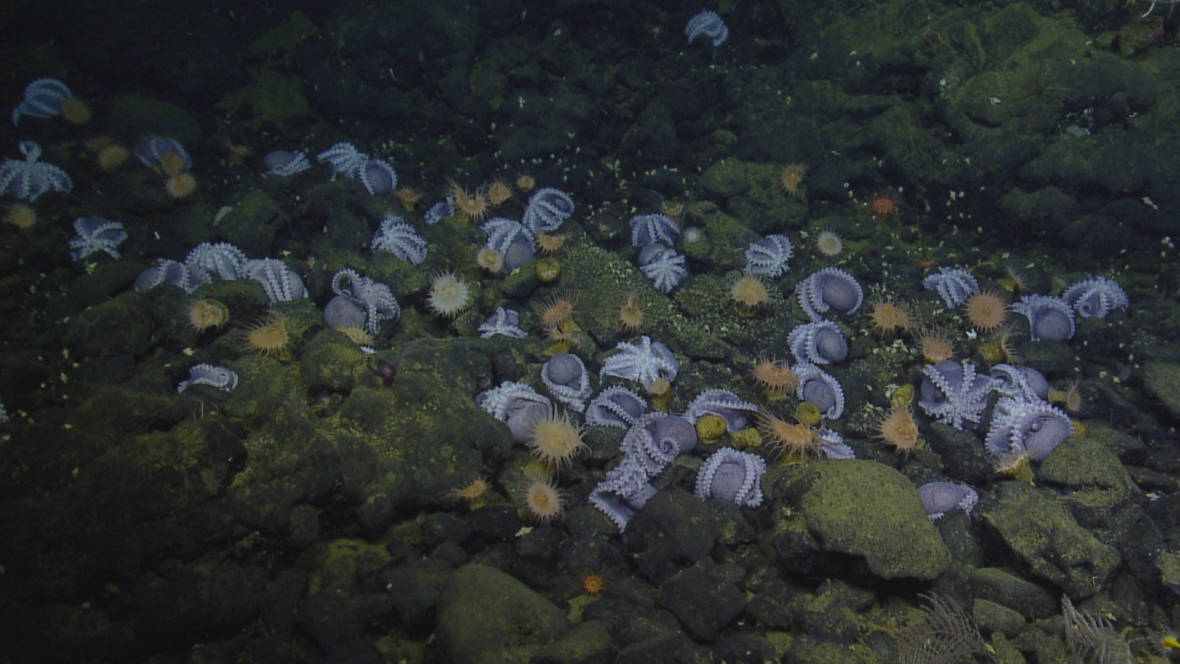
Far below the surface of the Pacific Ocean, three quarters of a mile deep, lies the peak of an underwater mountain. Rising 1.4 miles off…
View More An Octopus Nursery Discovered on a Deep Underwater Mountain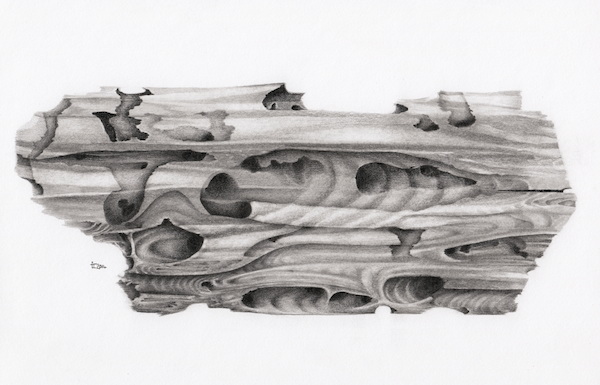
Nearly two miles below the ocean’s surface, we are building new worlds. You might be surprised that these ecospheres are wooden—little log cabins hosting a…
View More Wooden Homes on the Seafloor Yield Insights Into the Impacts of Climate Change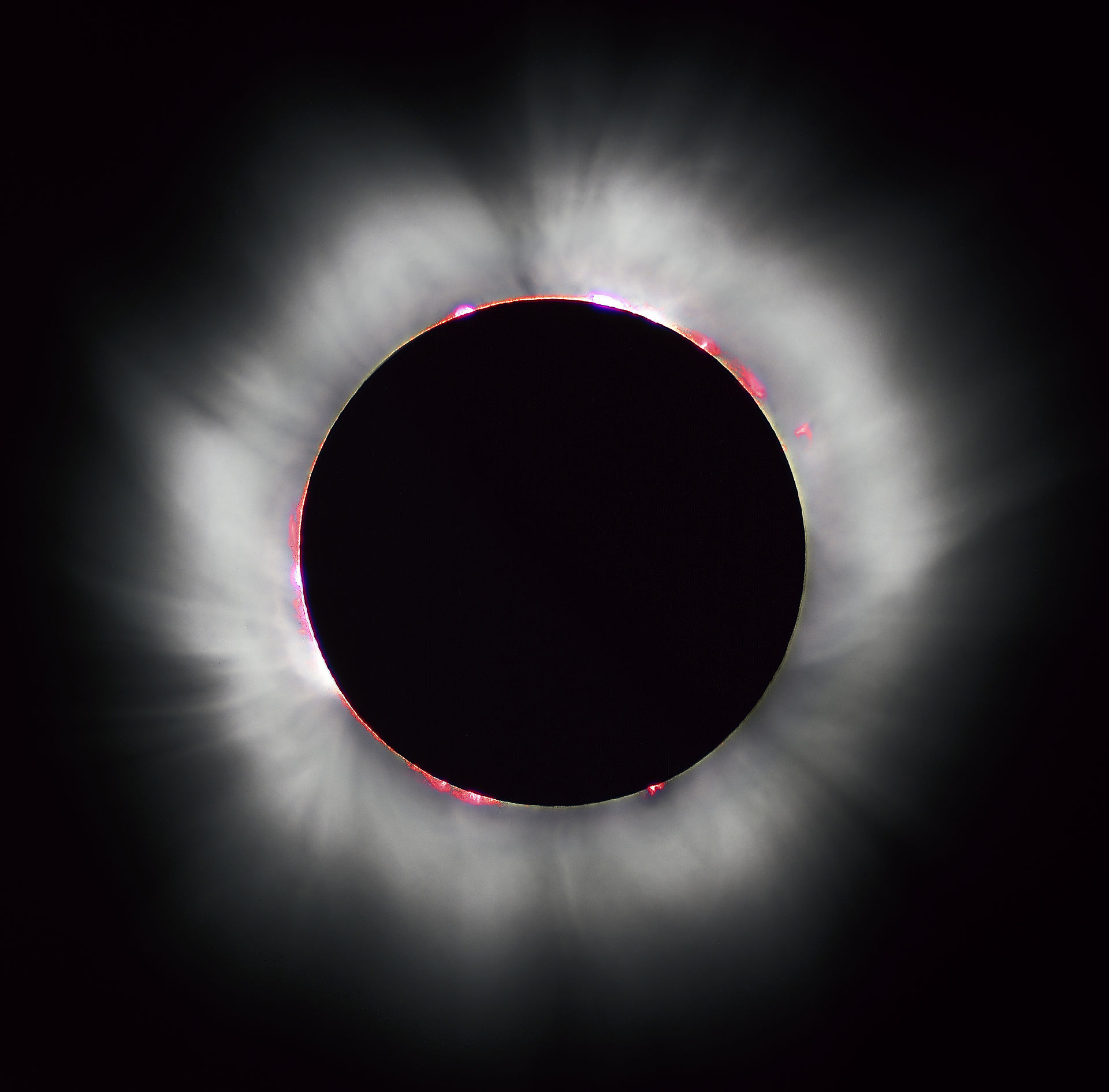
On July 20th, 1963, three scientists sat on a research ship 200 miles south of Woods Hole, MA, waiting for something remarkable. They were nearly…
View More What happens in the sea during a solar eclipse?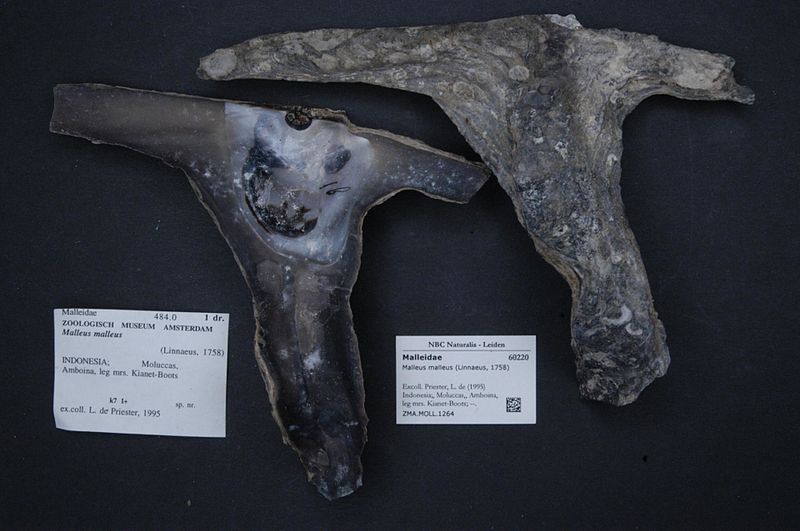
Prepare yourself for the hammer. No not that hammer. This one. The Malleidae, or the hammer oysters, is a suite of around 30 species, primarily…
View More Bring the hammer.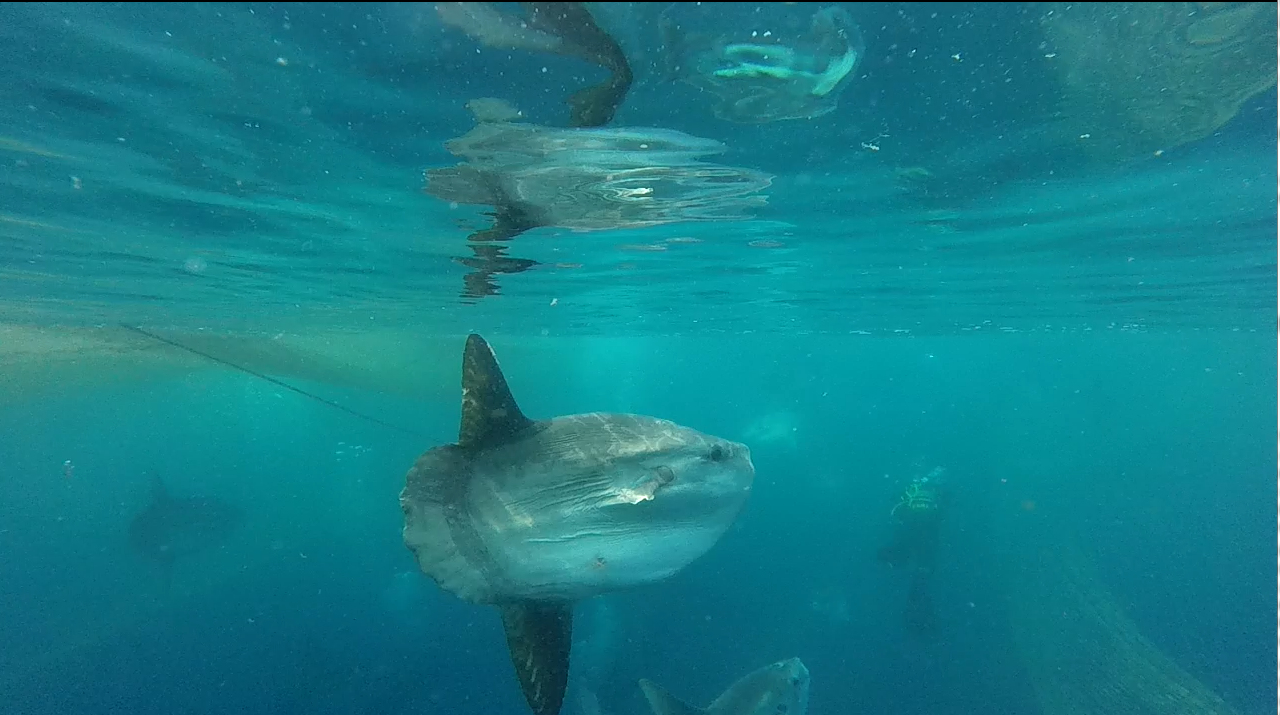
Today’s guest post is by Natasha Phillips, a marine biologist and PhD researcher based at Queen’s University Belfast, interested in the movement ecology, diet and…
View More Trolling in the deep: from raging rants to support of the strange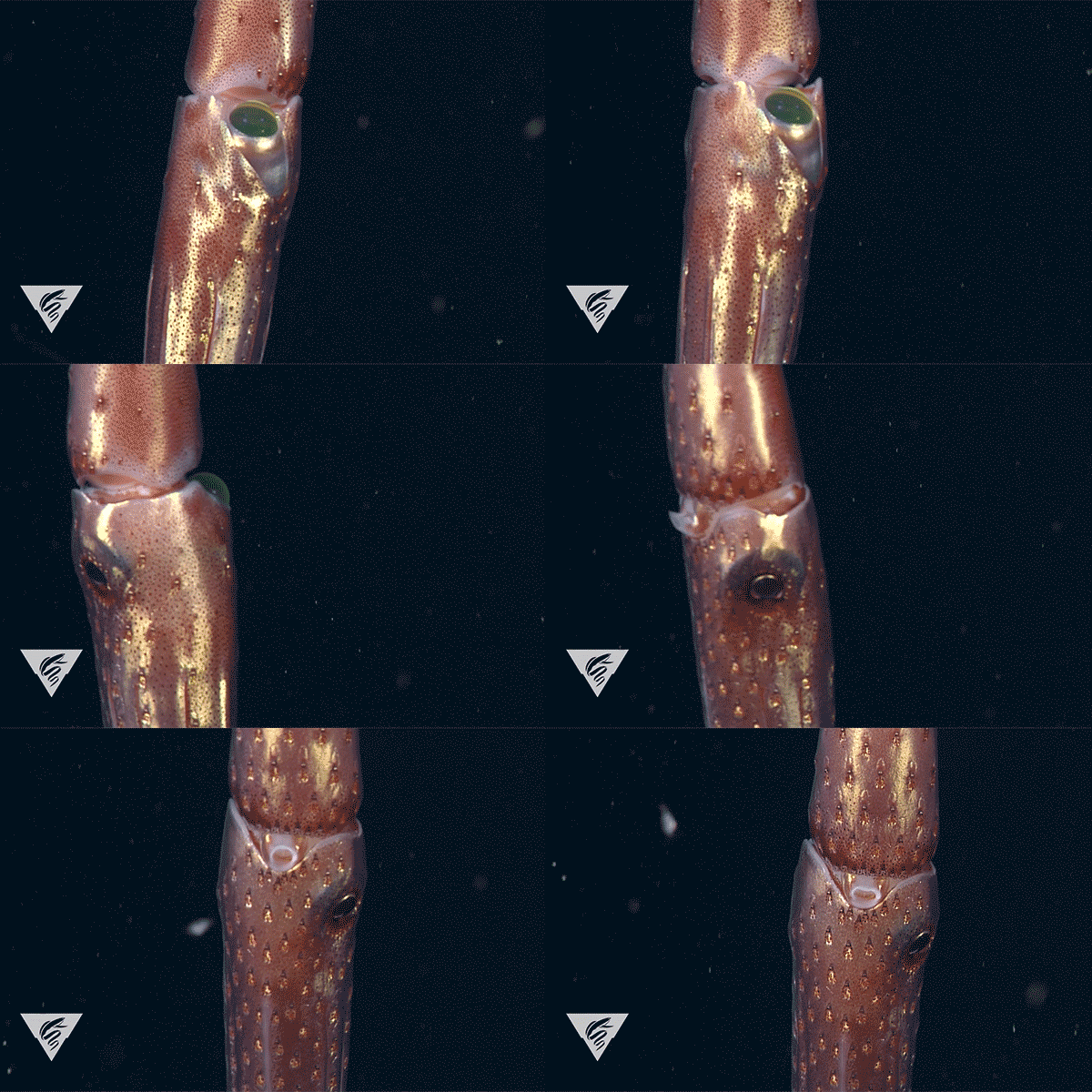
If I were ever to write a Little Golden Book on par with The Poky Little Puppy it would about cute, little, and red, deep-sea…
View More The Little Strawberry Squid with the Big EyeRecently a couple of interesting posts sparked some introspection on how I view, label, and discuss the denizens of the oceans. Carla Litchfield, Senior Lecturer, School…
View More So yeah ocean sunfish are ridiculous, dolphins are @#$@&, and deep-sea anglerfish are monstersThis is a guest post form Maarten De Brauwer, a PhD candidate at Curtin University. You can find more of amazing work from Maarten on his…
View More Reef raving revisited: 4 good reasons for fish to glow in the dark