Like most deep-sea biologists, I have a large collection of decorated Styrofoam cups. A couple dozen line the bookshelf of my office, each displaying a…
View More How Life Thrives Under the Ocean’s Crushing Pressure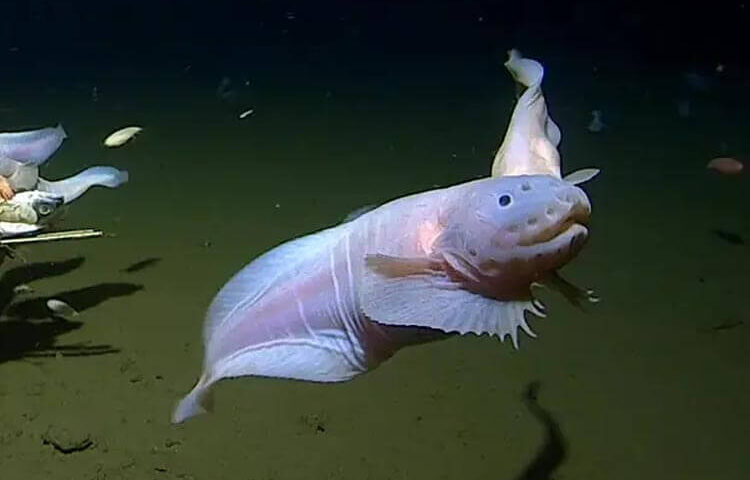
Like most deep-sea biologists, I have a large collection of decorated Styrofoam cups. A couple dozen line the bookshelf of my office, each displaying a…
View More How Life Thrives Under the Ocean’s Crushing Pressure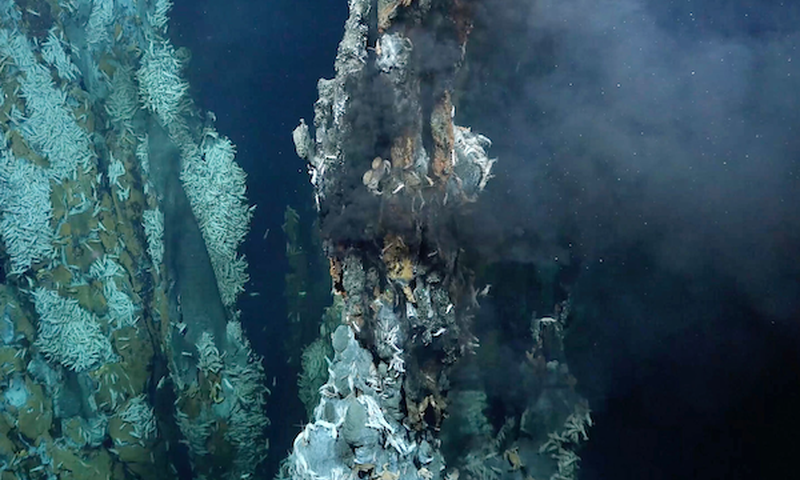
I have only seen a hydrothermal vent once, during Dive 73 aboard the Monterey Bay Aquarium Research Institute’s Doc Ricketts. Unlike many deep-sea biologists, I…
View More A Journey to the Hottest Place on Earth: Hydrothermal Vents and the Resilient Pompeii Worm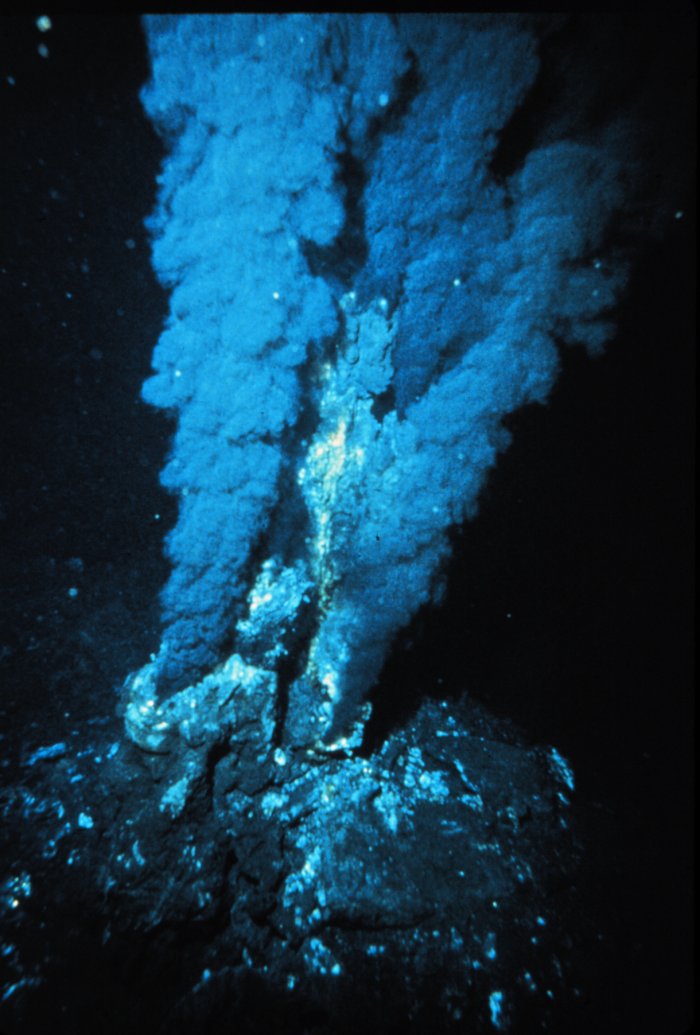
The ROV Global Explorer reaches bottom at around 9:01 am, nearly 3.5 kilometers deep in the Gulf of Mexico. The 1.5-ton machine flies nimbly through…
View More Surviving Toxic Havens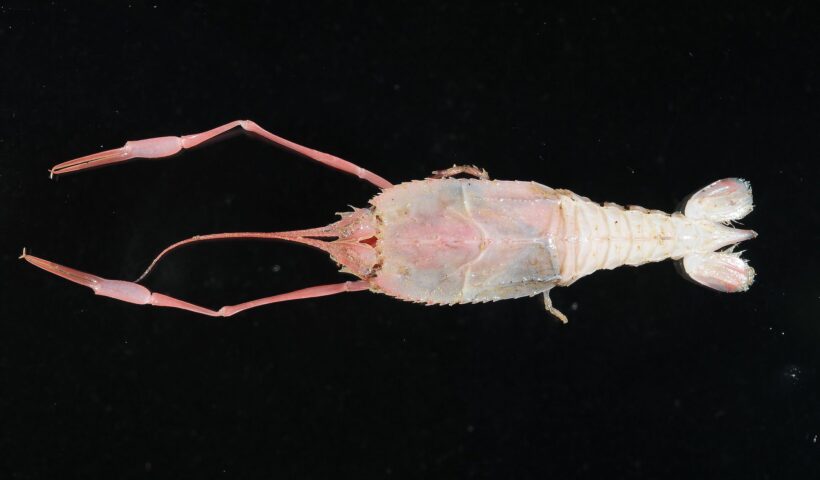
In the profound darkness of the ocean’s depths, organisms face a choice concerning their visual capabilities. Some species evolve specialized eyes that grow to astonishing…
View More The Many Clawed, Blind Lobsters of the Deep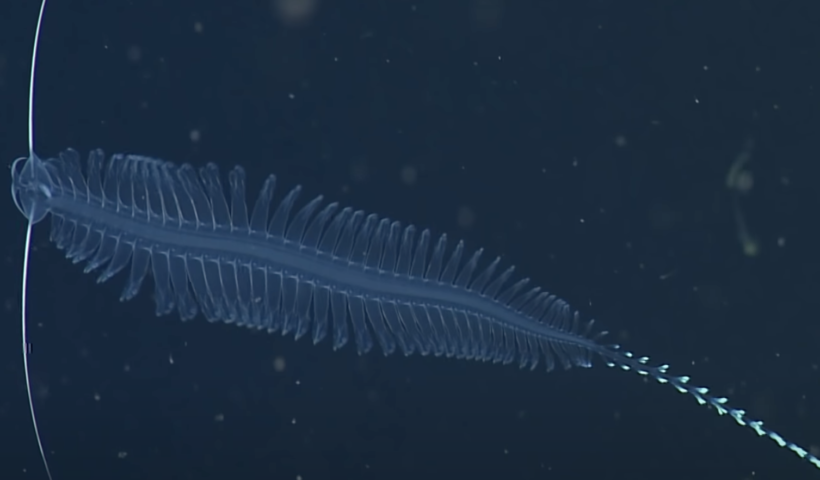
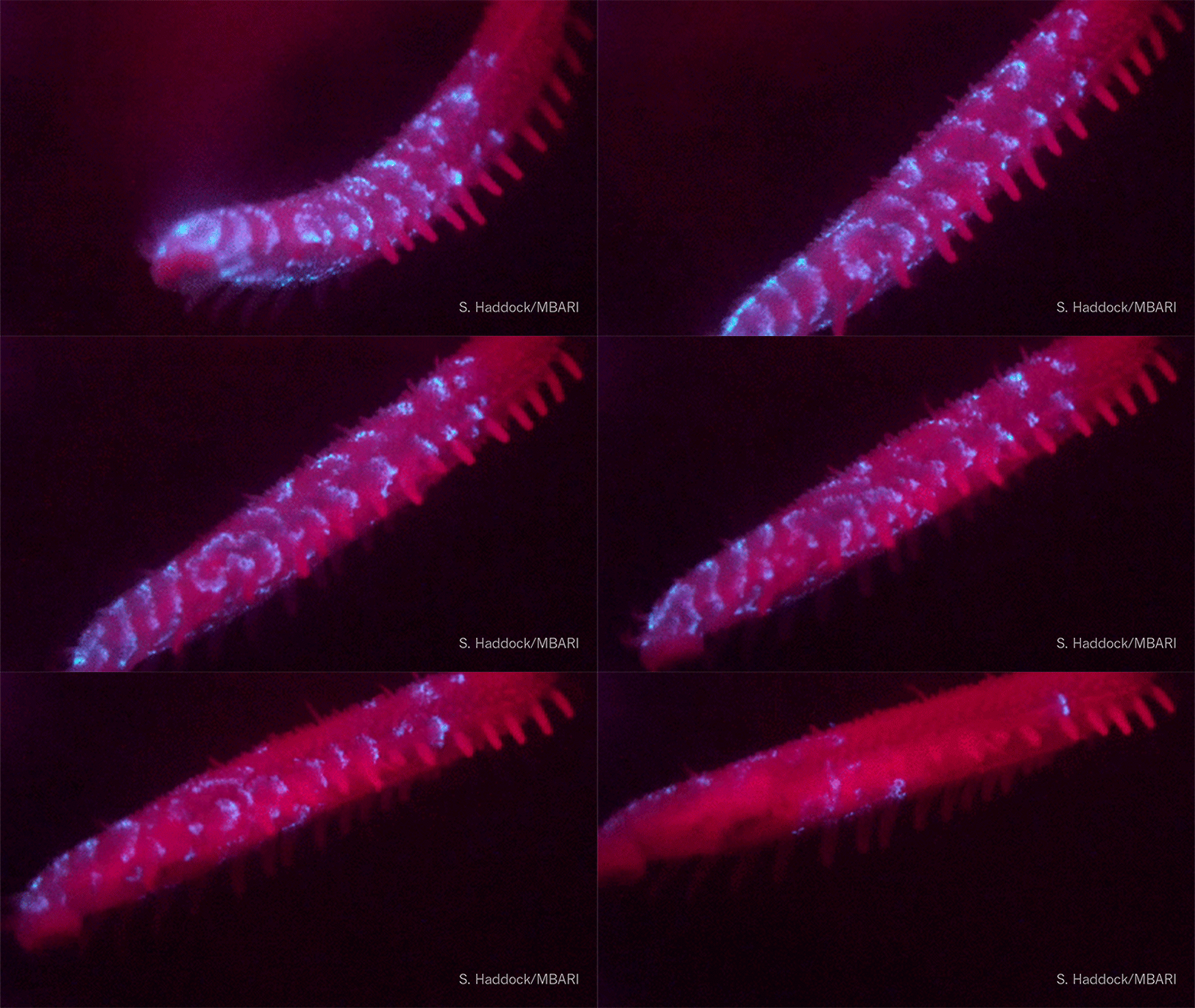
When we ponder bioluminescence, our minds often conjure images of mesmerizing squids and radiant fish, captivating our imagination with their dazzling displays. However, as research…
View More Holy Glowing Sea Cucumbers!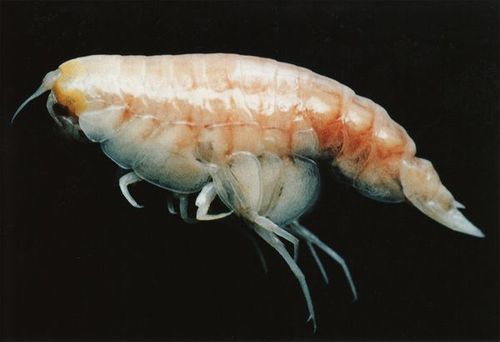
The highest known pressure in the deep oceans coincides with the maximum known depth in the southern end of the Mariana Trench, the Challenger Deep.…
View More The Hidden World of Extreme Ocean Depths: Life and Pressures in the Trenches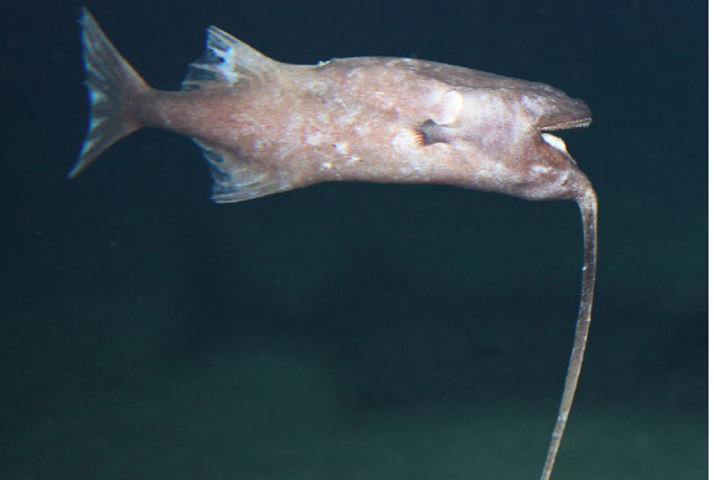
The deep-sea anglerfish commands fascination, although admittedly, it might not be everyone’s cup of tea—I’m content sticking with the anglerfish enthusiasts. Among these captivating creatures,…
View More The Upside Down Feeding Fish of the Deep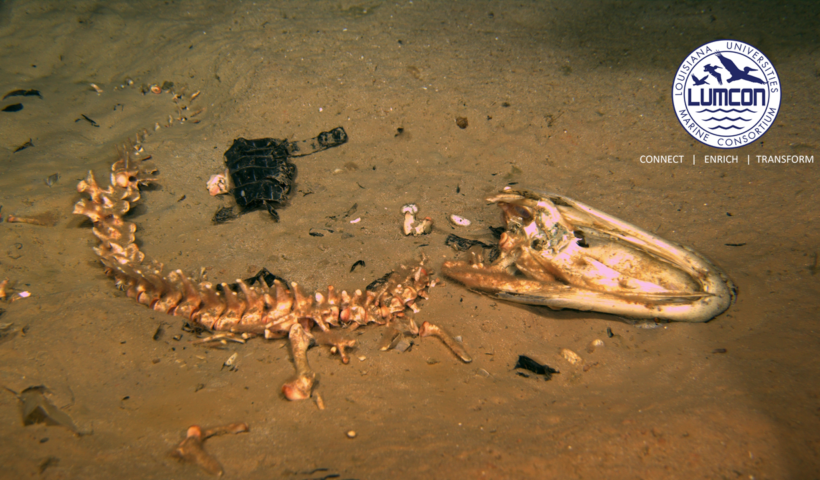
Connecting the oceans to land are numerous carbon highways. These conduits bring food from land to the ocean, supporting an abundance of life. Our group…
View More Alligators in the Abyss: Part 2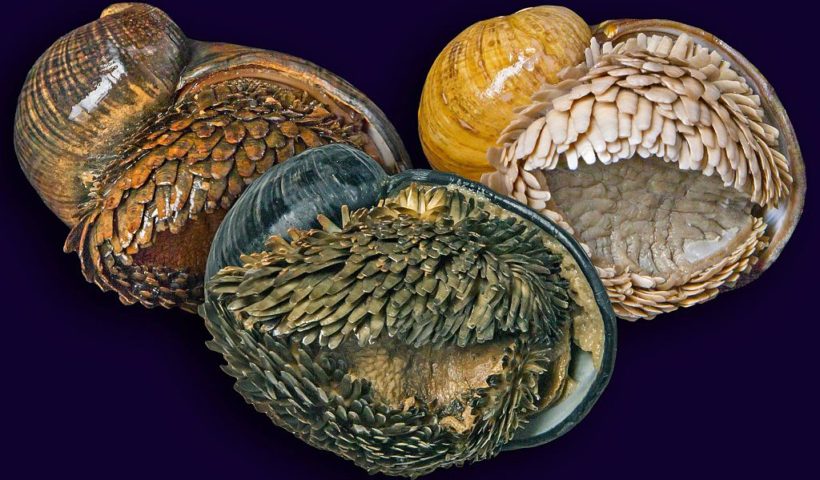
Legend has it that Saint Patrick gave a four-leaf clover to a group of his followers; the fourth leaf put there by God to bring…
View More The Beauty of Rarity