So here we are in Mexico for the first of two Georgia Aquarium research trips this summer. This is the logistically simpler of the two,…
View More Hello old friends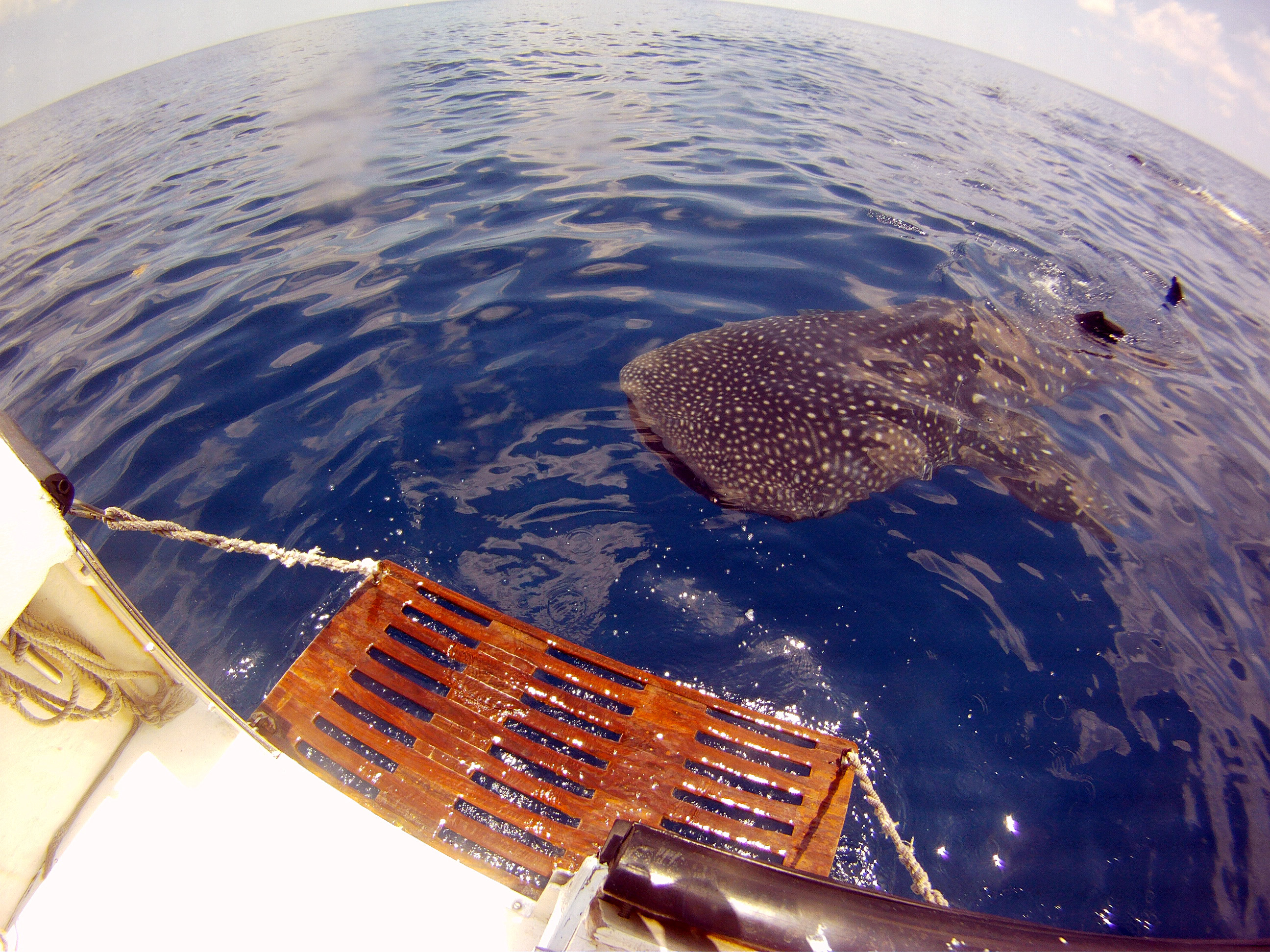

So here we are in Mexico for the first of two Georgia Aquarium research trips this summer. This is the logistically simpler of the two,…
View More Hello old friendsThe Wainwright lab at my alma mater, UC Davis, is famous for posting their high speed video of fish biomechanics, in particular jaw morphology and…
View More High Speed Suction Feeding: Bloopers EditionBeginning at 7pm Pacific/10pm Eastern, Ustream will be live-casting a NASA Aquarius Reefbase mission. You can go to Ustream to watch it, or view the…
View More Join the NASA Aquarius Reefbase Live on Ustream Tonight!Beth is an U.S. postdoc scientist at the Center for Geomicrobiology in Denmark studying tiny microbes that live at the bottom of the ocean and…
View More Scientist in Residence: Beth Orcutt – “There is More to the Marine Subsurface than Sediments”At 70-80 years old, Brutus is an 18-foot long croc. He’s tougher than nails with a missing leg due to a fight with a shark…
View More Brutus the Giant Saltwater CrocYou know that oxygen-less zone that chokes life and forms every year in the Gulf of Mexico at the base of the Mississippi? Currently its…
View More 2011 Gulf of Mexico ‘dead zone’ could be biggest everAt age 61, Diana Nyad is going to swim 103 miles across the Straits of Florida from Cuba to Key West. Rather puts my week…
View More What Would You Do With 60 Hours?The PNG Mine Watch blog posts some unfortunate news today about mining the hydrothermal vents of the PNG coast at the Solwara 1 site. Papua…
View More Mining The Deep: All About $ For the GovernmentJennifer Frazer has the June/July Circus of the Spineless up her shiny new Scientific American blog The Artful Amoeba. An excellent resource for natural history.…
View More New Circus of the Spineless is Up!Via The Guardian: h/t to @kejames on Twitter
View More Shanty Up at the Falmouth International Sea Shanty Festival